Friday, 19 July 2024

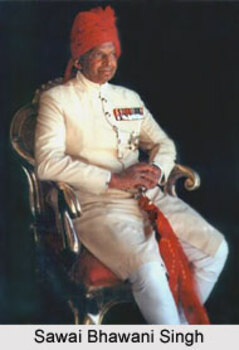
Maharaja Sawai Bhawani Singh: A Legacy of Leadership and Heritage


Maharaja Sawai Bhawani Singh, a prominent figure in the annals of Indian royalty, is remembered not only for his distinguished lineage but also for his contributions to preserving cultural heritage and his role in contemporary Indian society. His life and legacy exemplify a blend of tradition, modernity, and steadfast commitment to his princely duties.

Born on October 22, 1931, Maharaja Sawai Bhawani Singh belonged to the royal family of Jaipur, one of the most prominent princely states in British India. His father, Maharaja Sawai Man Singh II, was a progressive ruler known for his vision and modernization efforts in Jaipur. Bhawani Singh inherited the throne of Jaipur in 1970, following the death of his father.

Maharaja Sawai Bhawani Singh was a staunch advocate for the preservation of Jaipur's rich cultural heritage. Under his leadership, efforts were intensified to restore and maintain the city's iconic palaces, forts, and monuments. The restoration of the City Palace, Jaipur, and its subsequent opening to the public as a museum stand as testament to his commitment to cultural preservation.

Beyond his role as a custodian of cultural heritage, Maharaja Sawai Bhawani Singh had a distinguished military career. He served in the Indian Army with dedication and valor, rising to the rank of Brigadier. His military service underscored his sense of duty and commitment to national defense, reflecting the tradition of military prowess that characterized the rulers of Jaipur.

Maharaja Sawai Bhawani Singh played a significant role in post-independence India, navigating the transition of princely states into the Indian Union. His diplomatic skills and leadership were pivotal in ensuring a smooth integration of Jaipur into the Indian democratic framework. He also served as the Ambassador of India to several countries, further enhancing India's diplomatic relations on the global stage.

Known for his charismatic personality and affable demeanor, Maharaja Sawai Bhawani Singh was revered by the people of Jaipur and beyond. His commitment to public service extended beyond his princely duties, as he actively participated in philanthropic endeavors and community welfare projects. His presence and influence continued to resonate even after the dissolution of princely states in India.

Maharaja Sawai Bhawani Singh received several honors and awards during his lifetime in recognition of his contributions. He was appointed as the Honorary Aide-de-Camp to the President of India, reflecting his stature and service to the nation. His efforts in heritage conservation earned him accolades both nationally and internationally, highlighting his global impact in preserving cultural treasures.

Maharaja Sawai Bhawani Singh's life and legacy epitomize the blend of tradition, modernity, and progressive leadership that characterized the rulers of Jaipur. His dedication to preserving cultural heritage, his distinguished military career, and his contributions to modern India stand as enduring testaments to his vision and commitment. Maharaja Sawai Bhawani Singh remains an iconic figure in Indian history—a symbol of princely legacy, cultural stewardship, and national service. His legacy continues to inspire future generations, reminding us of the enduring values of leadership, heritage, and public service.



The Gujjar Rulers of India: Legacy and Influence


The Gujjars, an ancient ethnic group known for their martial spirit and rich history, have left a lasting legacy as rulers in various regions of India. Originating from the northwestern regions of the Indian subcontinent, the Gujjars played a significant role in shaping the political landscape of the country during different periods of history.

The history of Gujjar rulers in India can be traced back to ancient times when they established their dominance in regions such as Rajasthan, Gujarat, and parts of North India. The Gujjars are believed to have descended from the Huns, a nomadic tribe from Central Asia, who migrated to the Indian subcontinent around the 5th century AD. Over the centuries, the Gujjars integrated with local populations and established their own kingdoms and dynasties.

One of the most prominent Gujjar rulers in Indian history was the Gujjar Pratiharas dynasty, which ruled over large parts of North India from the 8th to the 11th centuries AD. The Pratiharas were known for their military prowess and administrative skills, and they successfully resisted the Arab invasions in the region. Under their rule, the Gujjars established a powerful empire that encompassed present-day Rajasthan, Madhya Pradesh, and parts of Uttar Pradesh.

Another notable Gujjar ruler was Raja Bhoj, who reigned over the Malwa region in central India during the 11th century AD. Raja Bhoj was a patron of arts and literature and is credited with promoting education and scholarship in his kingdom. His reign is remembered as a golden age of cultural and intellectual development, with his court attracting scholars and poets from across India.

In Rajasthan, the Gujjar Chauhan dynasty rose to power in the 12th century AD and established the city of Ajmer as their capital. The Chauhans were known for their valor and chivalry, and their most famous ruler, Prithviraj Chauhan, is celebrated as a heroic figure in Indian folklore. Prithviraj Chauhan's battles against the Ghurid invaders, particularly his epic encounters with Sultan Muhammad Ghori, have become legendary tales of bravery and sacrifice.

The Gujjar rulers of India were not only military leaders but also patrons of art, architecture, and culture. They commissioned magnificent palaces, temples, and fortresses, many of which still stand as a testament to their grandeur and legacy. The Gujjars also contributed to the development of regional languages and literature, with many poets and writers flourishing under their patronage.

Despite their achievements and contributions, the Gujjar rulers faced challenges from rival kingdoms, foreign invasions, and internal conflicts that eventually led to the decline of their dynasties. By the end of the medieval period, most Gujjar-ruled kingdoms had been assimilated into larger empires, such as the Delhi Sultanate and the Mughal Empire, marking the end of an era of Gujjar dominance in Indian politics.

In conclusion, the Gujjar rulers of India have left a lasting impact on the country's history and culture. Their legacy of valor, leadership, and patronage of the arts continues to be celebrated and remembered to this day. The Gujjars stand as a testament to the diversity and richness of India's historical tapestry, showcasing the enduring spirit of a proud and resilient community.


Thursday, 18 July 2024

Kungri Monastery: Serenity Amidst the Attargu Valley


Kungri Monastery, nestled in the picturesque landscape of Lahul-Spiti in Himachal Pradesh, India, is a significant cultural and religious site. Situated in the Attargu Valley, this ancient monastery holds deep historical and spiritual importance for the local Buddhist community and attracts visitors seeking serenity and cultural insights.


Believed to have been founded over a thousand years ago, Kungri Monastery is one of the oldest monastic establishments in the region. It belongs to the Nyingmapa sect of Tibetan Buddhism, known for its emphasis on meditation and mystical teachings. The monastery's architecture reflects traditional Tibetan style, with whitewashed walls adorned by intricate murals depicting Buddhist deities, symbols, and religious narratives. Inside, the monastery houses a collection of ancient scriptures, thangka paintings, and ritual artifacts that provide a glimpse into the rich Buddhist heritage of the area.


Kungri Monastery serves as a center for religious practices, where monks and lamas engage in daily rituals, prayers, and meditation. The monastery also plays a pivotal role in preserving and propagating Buddhist teachings through its educational programs and spiritual gatherings.


Beyond its spiritual significance, Kungri Monastery is set amidst breathtaking natural beauty. The Attargu Valley, surrounded by rugged mountains and lush greenery, offers visitors a serene and tranquil environment ideal for meditation and reflection. The monastery's location further enhances its appeal as a cultural and spiritual retreat, attracting both devotees and tourists interested in exploring the unique blend of religion, history, and natural splendor that Lahul-Spiti has to offer.


In essence, Kungri Monastery stands as a testament to the enduring legacy of Buddhism in the Himalayan region. Its ancient roots, coupled with its scenic surroundings and spiritual ambiance, make it a must-visit destination for those seeking an authentic cultural experience and a deeper understanding of Tibetan Buddhism in India.


Phodong Monastery: A Jewel of Buddhist Heritage


Phodong Monastery is one amongst the six most important Buddhist monasteries in Sikkim and among the best places of pilgrimage in Gangtok. The monastery houses approximately 260 monks. Nestled amidst the picturesque landscapes of Sikkim, India, Phodong Monastery stands as a venerable symbol of Buddhist heritage and spiritual devotion. Its rich history, distinct architectural style, and cultural significance attract visitors and pilgrims from far and wide.


History:

Phodong Monastery traces its origins back to the early 18th century when it was built by the revered Kagyu lama, Chogyal Gyurmed Namgyal. It was established as one of the six important monasteries in Sikkim, known as the "Six Manasteries" (Drupchen Chilkor). Throughout its history, Phodong Monastery has played a pivotal role in preserving and propagating Tibetan Buddhist teachings, serving as a center for religious education, meditation, and ritual practices.


Architecture:

The monastery's architecture reflects traditional Tibetan influences, characterized by intricate woodwork, vibrant murals depicting Buddhist deities and symbols, and a majestic assembly hall where monks gather for prayers and ceremonies. The main attraction is the towering statue of Jampa (Maitreya) Buddha, an embodiment of compassion and future enlightenment, which exudes a serene presence within the monastery grounds.


Spiritual Practices:

Phodong Monastery follows the Kagyu tradition of Tibetan Buddhism, emphasizing meditation techniques and the study of Buddhist scriptures such as the Kagyu lineage teachings. Monks dedicate themselves to daily rituals, including chanting of mantras, performing pujas (ritualistic offerings), and engaging in philosophical discussions aimed at deepening their spiritual understanding and realization.


Cultural Significance:

Beyond its religious practices, Phodong Monastery holds cultural significance as a venue for vibrant annual festivals like the Chaam dances during Losar (Tibetan New Year) and other auspicious occasions. These festivities not only celebrate Buddhist mythology and tradition but also foster community cohesion and spiritual renewal among devotees.


Conclusion:

Phodong Monastery stands as a testament to the enduring legacy of Tibetan Buddhism in Sikkim. With its historical legacy, distinctive architecture, and profound spiritual practices, it continues to inspire reverence and awe among visitors, offering a glimpse into the rich tapestry of Buddhist spirituality and cultural heritage in the Himalayan region.

Bharatpur's Legacy: Chronicles of the Jat Rulers


Bharatpur, a princely state nestled in the heart of Rajasthan, India, boasts a rich history shaped by a lineage of formidable rulers known as the Jats. From its inception in the early 18th century to its integration into independent India, the rulers of Bharatpur left an indelible mark on the region’s political and cultural landscape.


The dynasty of Bharatpur commenced with Badan Singh in 1722, who received the region as a grant from the Mughal Emperor. Under subsequent rulers, particularly Maharaja Suraj Mal, Bharatpur flourished both militarily and culturally. Maharaja Suraj Mal, renowned for his military acumen, expanded Bharatpur's territories and fortified its defenses, asserting independence from Mughal and later Maratha control.


Throughout its history, Bharatpur faced significant challenges, notably during the Anglo-Maratha and Anglo-Sikh wars when it resisted British colonial expansion. The rulers of Bharatpur fiercely defended their sovereignty but ultimately succumbed to British authority in the mid-19th century, leading to the state's integration into British India. Culturally, the rulers of Bharatpur were patrons of art, architecture, and literature. They oversaw the construction of forts, palaces, and irrigation systems that contributed to the region's prosperity and development.


The decline of the princely state system post-Independence marked a new chapter for Bharatpur. In 1949, the state merged with the Indian Union, ending centuries of independent rule under the last ruling Maharaja, whose leadership during the transition period was crucial. The legacy of the rulers of Bharatpur lives on through their contributions to Rajasthan's history and India's heritage. Their governance shaped the socio-economic fabric of the region, leaving behind a cultural tapestry enriched by their patronage of arts and literature.


Today, Bharatpur stands as a testament to the resilience and vision of its rulers, whose leadership and legacy continue to inspire generations, preserving the spirit of Rajasthan's princely past within the framework of modern India.


Wednesday, 17 July 2024

Enchey Monastery: A Bastion of Tibetan Buddhist Heritage


Located on a hilltop overlooking Gangtok, the capital city of Sikkim, Enchey Monastery is a revered center of Tibetan Buddhism. With a history dating back to the 19th century, this monastery holds deep cultural and spiritual significance for both locals and visitors alike.


The history of Enchey Monastery can be traced back to the early 1700s, when it was founded by Lama Druptob Karpo, a renowned Buddhist scholar and mystic. Lama Druptob Karpo, inspired by visions and spiritual experiences, chose this serene location as the site for his monastic establishment. Over the centuries, the monastery has undergone numerous renovations and expansions, but its essence as a hub of spiritual enlightenment and learning has remained steadfast.


The methodology employed at Enchey Monastery is deeply rooted in the Nyingma school of Tibetan Buddhism, one of the oldest and most influential Buddhist traditions in the region. The monastery's monks engage in a rigorous curriculum of study, meditation, and ritual practices, preserving the lineage of their spiritual ancestors. From the recitation of sacred texts to the intricate creation of sacred art and mandalas, the monastery's activities are infused with a profound reverence for the Dharma, the teachings of the Buddha.


The types of activities and teachings found within Enchey Monastery are as diverse as they are captivating. Visitors to the monastery can witness the vibrant thangka paintings, ornate sculptures, and elaborately decorated shrines that adorn the temple halls. The monastery also plays host to numerous festivals and ceremonies throughout the year, where the local community and pilgrims alike gather to participate in the rich cultural and spiritual traditions.


In a world increasingly influenced by globalization and modernization, the Enchey Monastery stands as a bastion of Tibetan Buddhist heritage, serving as a beacon of spiritual guidance and a repository of ancient knowledge. As it continues to inspire and educate both the local populace and international visitors, the Enchey Monastery remains a testament to the enduring power of faith, tradition, and the pursuit of enlightenment.


Tuesday, 16 July 2024

Rajadhiraja Chola I: A Pioneering Figure in Ancient South Indian History

Rajadhiraja Chola I, also known as Rajadhiraja the Great, was a prominent ruler of the Chola dynasty in ancient South India. His reign, which lasted from 1018 to 1054 CE, marked a significant period in the history of the Chola Empire, characterized by military conquests, territorial expansion, and cultural achievements.

The origins of Rajadhiraja Chola I can be traced back to the illustrious Chola dynasty, which emerged as a major power in South India during the medieval period. The Cholas were renowned for their naval prowess, trade networks, and administrative efficiency. Rajadhiraja Chola I belonged to a line of distinguished rulers who had successfully established Chola dominance over vast territories in the region.

Rajadhiraja Chola I ascended to the throne in 1018 CE following the death of his father, Rajendra Chola I. Despite facing challenges from rival kingdoms and internal dissent, Rajadhiraja proved to be a formidable leader who strengthened the empire through strategic military campaigns and diplomatic alliances. His rule was marked by a series of military victories that expanded the Chola Empire's influence and territorial control.

One of the most significant achievements of Rajadhiraja Chola I was the successful invasion of the Pandya kingdom in southern Tamil Nadu. The defeat of the Pandyas allowed the Cholas to consolidate their power in the region and further solidify their control over key trade routes and resources. Rajadhiraja's military campaigns also extended into the Deccan plateau, where he asserted Chola authority over various vassal states and territories.

In addition to his military conquests, Rajadhiraja Chola I was also a patron of the arts and culture. He supported the construction of magnificent temples, such as the Brihadeeswarar Temple in Thanjavur, which remains a testament to the Chola dynasty's architectural and artistic achievements. Rajadhiraja's patronage of the arts contributed to the flourishing of literature, music, and dance in the Chola Empire during his reign.

The legacy of Rajadhiraja Chola I as a pioneering figure in ancient South Indian history is memorialized in the inscriptions, sculptures, and artworks that bear witness to his achievements. His reign marked a period of prosperity and cultural vibrancy for the Chola Empire, as well as a time of territorial expansion and political consolidation. Rajadhiraja's diplomatic skills and military acumen earned him a reputation as a shrewd and effective ruler who was able to navigate the complex political landscape of medieval South India.

In conclusion, Rajadhiraja Chola I stands out as a towering figure in the history of the Chola dynasty and ancient South India. His reign was characterized by military conquests, cultural achievements, and territorial expansion, which helped to shape the course of regional history. As a visionary leader and patron of the arts, Rajadhiraja's legacy continues to endure through the enduring monuments and inscriptions that commemorate his rule.


Diskit Monastery : spirituality and architectural beauty


Diskit Monastery, located in the Nubra Valley of Ladakh, India, stands as a serene symbol of Buddhist spirituality and architectural beauty. Nestled amidst the stark, arid landscape of the Himalayas, this monastery is a prominent Buddhist site in the region, attracting pilgrims and tourists alike.


Founded in the 14th century, Diskit Monastery belongs to the Gelugpa (Yellow Hat) sect of Tibetan Buddhism. It holds historical significance as one of the oldest and largest monasteries in Ladakh, serving as a center for religious activities and education. The monastery complex is a striking sight against the rugged backdrop, comprising white-washed buildings with traditional Tibetan architecture, adorned with colorful murals and intricate woodwork.


At the entrance of Diskit Monastery stands a massive statue of Maitreya Buddha, a 32-meter tall structure that dominates the skyline and is visible from afar. This statue, facing down the Shyok River towards Pakistan, is a symbol of peace and compassion, embodying the essence of Buddhist teachings.


Inside the monastery, visitors can explore prayer halls adorned with thangkas (religious paintings), statues of Buddhist deities, and ancient scriptures. The ambiance resonates with the sound of chanting monks engaged in prayer rituals, creating a tranquil and spiritual atmosphere.


Diskit Monastery also houses a school where young monks receive education in Buddhist philosophy, literature, and arts. This educational institution plays a crucial role in preserving and passing on the rich cultural heritage of Tibetan Buddhism to future generations.


Beyond its religious and cultural significance, Diskit Monastery offers breathtaking panoramic views of the Nubra Valley and the surrounding mountains. Visitors often trek to the monastery, enjoying the journey through picturesque landscapes dotted with apricot orchards and barley fields, adding to the spiritual experience.


In conclusion, Diskit Monastery stands not only as a religious center but also as a testament to the enduring cultural legacy of Tibetan Buddhism in the Himalayan region. Its serene beauty and historical importance make it a must-visit destination for those seeking spirituality and a deeper understanding of Ladakhi culture.


Monday, 15 July 2024

Baldeo Singh of Bharatpur: A Hero of Resistance


Baldeo Singh of Bharatpur emerges from the annals of Indian history as a formidable leader whose bravery and strategic acumen left an indelible mark on the struggle against colonial rule. Born in the princely state of Bharatpur, his life unfolded against the backdrop of British dominance and the burgeoning independence movement.

Baldeo Singh was born into a family known for its legacy of resistance against external forces. His upbringing instilled in him a deep sense of pride in his heritage and a commitment to the welfare of his people. From an early age, he displayed leadership qualities and a fervent desire to challenge injustices perpetuated by colonial authorities.

The defining moment in Baldeo Singh's life came during the Indian Rebellion of 1857, also known as the First War of Independence. As a prominent noble in Bharatpur, he rallied his forces against British encroachment and played a crucial role in organizing local resistance. His military prowess and strategic insights proved pivotal in several engagements, challenging British dominance in the region.

Baldeo Singh's leadership extended beyond the battlefield. He envisioned a unified front against British imperialism, forging alliances with neighboring princely states and indigenous leaders to strengthen the resistance. His ability to mobilize resources and inspire loyalty among his followers earned him admiration and respect across the region.

Baldeo Singh's contributions during the Rebellion of 1857 reverberated throughout India. Although the uprising was ultimately suppressed, his defiance and bravery inspired future generations to continue the fight for independence. His legacy serves as a testament to the resilience of the Indian spirit and the determination to safeguard cultural and political autonomy.

Today, Baldeo Singh of Bharatpur is revered as a symbol of courage and defiance against colonial oppression. Monuments, memorials, and local folklore commemorate his heroic deeds, ensuring that his legacy endures in the collective memory of the Indian people. His life story remains a source of inspiration for those who seek justice and freedom in the face of adversity.

In conclusion, Baldeo Singh of Bharatpur stands as a towering figure in the history of India's struggle for independence. His unwavering commitment to his people and his fearless leadership in times of crisis exemplify the qualities of a true hero. As we reflect on his life and legacy, we are reminded of the sacrifices made by countless individuals who fought bravely for the dignity and sovereignty of their nation. Baldeo Singh's name continues to shine brightly as a beacon of hope and resilience, inspiring future generations to uphold the values of justice, freedom, and unity.


Sunday, 14 July 2024

Ralang Monastery: A Serene Haven of Tibetan Buddhism


Nestled amidst the scenic hills of South Sikkim, Ralang Monastery stands as a testament to the rich cultural and spiritual heritage of Tibetan Buddhism. Founded in the late 18th century under the patronage of the 9th Karmapa, Wangchuk Dorje, this monastery holds immense significance for Buddhists and visitors alike. Ralang Monastery is one of the popular Buddhist monasteries of the Kagyu sect of Tibetan Buddhism.


History:

Ralang Monastery was established with the aim of spreading the teachings of Kagyu lineage of Tibetan Buddhism. It was originally built at Yangang, but due to the visionary dream of the 9th Karmapa, it was relocated to its current location in Ralang. Since then, it has served as a center for Buddhist learning, meditation, and religious ceremonies.


Architecture and Atmosphere:

The monastery's architecture reflects traditional Tibetan design, featuring colorful murals, intricate woodwork, and a central prayer hall adorned with statues of Buddhist deities. The serene surroundings of Ralang, with its lush greenery and views of the snow-capped Himalayas, contribute to the tranquil atmosphere conducive to meditation and spiritual practice.


Practice and Rituals:

Ralang Monastery follows the Kagyu tradition, focusing on meditation techniques and the teachings of Mahamudra and Vajrayana Buddhism. Monks engage in daily rituals, including prayers, chanting, and ceremonial dances during religious festivals such as the Chaam, which depict spiritual stories through vibrant costumes and masked dances.


Cultural Significance:

Beyond its religious practices, Ralang Monastery plays a vital role in preserving Sikkimese culture and tradition. It serves as a hub for community gatherings, educational activities, and charitable initiatives. Pilgrims and tourists visit throughout the year to witness the monastery's spiritual ambiance and participate in its rituals, receiving blessings from resident monks.


In conclusion, Ralang Monastery stands not only as a place of worship but also as a cultural beacon in South Sikkim. Its historical significance, coupled with its serene environment and profound spiritual practices, continues to attract devotees and travelers seeking spiritual enlightenment and cultural immersion in the heart of the Himalayas.

Friday, 12 July 2024

Rana Kumbha: A Legacy of Courage and Leadership


Rana Kumbha, also known as Maharana Kumbhakarna, was a prominent ruler of Mewar in present-day Rajasthan, India. His reign, which spanned from 1433 to 1468, is remembered as a period of remarkable valor, strategic prowess, and cultural renaissance. Born in 1433, Rana Kumbha ascended to the throne at a young age following the death of his father Rana Mokal. Despite his youth, he quickly established himself as a fierce and capable leader, earning a reputation for his military acumen and administrative skills.

The origins of  Rana Kumbha can be traced back to the iconic Sisodia dynasty, which had ruled over the region of Mewar for centuries. The Sisodias were known for their resilience and steadfast commitment to their homeland, and Rana Kumbha was no exception. He took forward the legacy of his ancestors, fiercely defending Mewar against external threats and expanding its territories through a series of successful military campaigns. Under his rule, Mewar witnessed a period of unprecedented prosperity and cultural flourishing.

One of the most enduring legacies of Rana Kumbha is the architectural marvels he built during his reign. The Chittor Fort, one of the largest forts in India, stands as a testament to his vision and grandeur. Rana Kumbha was not only a skilled warrior but also a patron of the arts and culture. He commissioned the construction of numerous temples and palaces, many of which still stand today as a testament to his patronage.

Rana Kumbha's rule was not without challenges, however. He faced numerous invasions from rival kingdoms, most notably the sultanates of Malwa and Gujarat. Despite these threats, Rana Kumbha managed to repel his enemies and maintain the sovereignty of Mewar. His victory over Mahmud Khalji of Malwa in the Battle of Mandalgarh in 1440 is especially noteworthy, showcasing his strategic brilliance and military prowess.

In addition to his military achievements, Rana Kumbha was also known for his religious tolerance and inclusive governance. He respected the diversity of his subjects and promoted harmony among people of different faiths. His reign saw the flourishing of art, literature, and music, with poets and scholars finding patronage at his court. Rana Kumbha's commitment to fostering a culture of inclusivity and pluralism set him apart as a leader ahead of his time.

Tragically, Rana Kumbha's life was cut short in 1468 when he was assassinated by his own son, Uday Singh. Despite the abrupt end to his reign, Rana Kumbha's legacy endured through the centuries, inspiring generations of rulers and leaders in Mewar and beyond. His contributions to the political, cultural, and architectural landscape of Rajasthan remain a source of pride for the people of the region.

In conclusion, Rana Kumbha stands out as a towering figure in Indian history, revered for his courage, leadership, and commitment to his people. His impressive military victories, architectural achievements, and inclusive governance set him apart as a visionary ruler who left an indelible mark on the history of Mewar. Today, his legacy continues to be celebrated as a symbol of resilience, creativity, and statesmanship.


Thursday, 11 July 2024

Gungri Monastery


Gungri Monastery, nestled amidst the breathtaking landscapes of the Himalayas, stands as a bastion of Tibetan Buddhist heritage and spiritual practice. Founded centuries ago, Gungri Monastery holds a significant place in Tibetan Buddhism, renowned for its history, unique methodologies, and diverse teachings. Gungri Monastery is located in Lahul and Spiti district in Himachal Pradesh.


History:

Founded in the 12th century, Gungri Monastery's origins trace back to the teachings of Tibetan Buddhist masters who sought solace and enlightenment in the remote mountains. Over the centuries, it has weathered political upheavals and cultural changes, maintaining its commitment to preserving ancient texts, rituals, and spiritual traditions.


Methodologies:

Gungri Monastery follows the Gelugpa tradition of Tibetan Buddhism, emphasizing rigorous scholarly study, meditation practices, and the cultivation of wisdom and compassion. Monks adhere to a disciplined schedule of daily rituals, including chanting prayers, performing rituals, and engaging in deep meditation sessions aimed at spiritual growth.


Teachings and Practices:

Within Gungri Monastery, various teachings cater to the spiritual needs of its practitioners. These include profound studies in Buddhist philosophy, such as the Madhyamaka and Pramana systems, as well as tantric practices like deity yoga and mandala offerings. Meditation techniques taught at Gungri Monastery focus on developing mindfulness, concentration, and the realization of emptiness.


Visiting Gungri Monastery offers a transformative experience, immersing visitors in its ancient architecture adorned with intricate murals depicting Buddhist scriptures and legends. The monastery's serene environment, surrounded by pristine natural beauty, enhances contemplation and spiritual renewal.


In conclusion, Gungri Monastery stands as a testament to the enduring legacy of Tibetan Buddhist wisdom and practice. Its rich history, rigorous methodologies, and diverse teachings continue to inspire seekers of enlightenment and peace in the tranquil heights of the Himalayas.

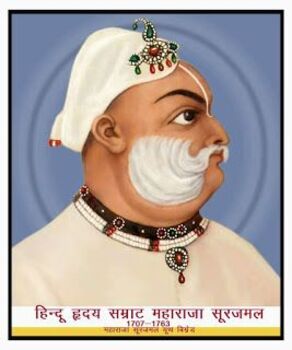
 Suraj Mal: Architect of Bharatpur's Golden Age

Suraj Mal, the son of the renowned Rajput ruler Badan Singh, is remembered as a visionary leader who continued his father's legacy and played a pivotal role in shaping the history of northern India during the 18th century. Born in 1707 in the princely state of Bharatpur, Suraj Mal inherited his father's courage, strategic acumen, and dedication to the welfare of his people, leading to his remarkable rise to power and lasting impact on the region.

Suraj Mal grew up in the vibrant and bustling court of Bharatpur, where he was exposed to the intricacies of governance, diplomacy, and warfare from a young age. Under the tutelage of his father, Badan Singh, he received a comprehensive education that included military training, political strategy, and administration, preparing him to shoulder the responsibilities of leadership with grace and wisdom.

As he matured, Suraj Mal demonstrated a keen intellect, a fierce determination, and a compassionate heart, qualities that would define his reign as the ruler of Bharatpur. His ability to inspire loyalty and unity among his subjects set him apart as a leader who truly cared for the welfare and prosperity of his people.

Upon the death of his father in 1756, Suraj Mal ascended to the throne of Bharatpur and immediately set about consolidating his power and expanding his influence in the region. Drawing upon the lessons he had learned from his father and the alliances he had forged, Suraj Mal launched a series of successful military campaigns that further cemented Bharatpur's position as a major power in northern India.

Suraj Mal's strategic brilliance and military prowess were on full display during his reign, as he successfully defended Bharatpur against external threats and expanded its territory through a combination of conquest and diplomacy. His ability to balance pragmatism with idealism, strength with compassion, earned him the admiration and respect of his subjects and adversaries alike.

Suraj Mal's legacy as a visionary leader and builder of the Bharatpur state endures to this day, reflecting his enduring impact on the history and culture of India. Under his enlightened rule, Bharatpur flourished as a center of art, culture, and commerce, attracting scholars, artists, and traders from far and wide.

Perhaps Suraj Mal's most enduring legacy was the architectural marvel of the Lohagarh Fort, a formidable structure that epitomized the strength and resilience of the Bharatpur state. Built using indigenous techniques and materials, the fort stood as a testament to Suraj Mal's commitment to preserving the cultural heritage and identity of his people.

In conclusion, Suraj Mal's life and achievements exemplify the qualities of a visionary leader who led by example, inspired by compassion, and governed with wisdom. His contributions to the history of India, particularly in the realm of state-building and governance, continue to be studied and admired by historians and scholars around the world.

Suraj Mal's story serves as a reminder of the transformative power of leadership, the enduring legacy of dedication to one's people, and the profound impact that individuals can have on the course of history. As we reflect on his remarkable life and legacy, we are inspired to emulate his virtues of courage, vision, and compassion in our own pursuits and endeavors.