Wednesday, 10 July 2024

Rewalsar Monastery: A Pilgrimage Through Time and Spirit


Rewalsar Monastery, also known as Tso Pema in Tibetan, is a revered Buddhist pilgrimage site nestled in the serene hills of Himachal Pradesh, India.  Ideally located at the southwest part of Mandi, Rewalsar Monastery is a holy shrine. This sacred place holds deep spiritual significance for Buddhists, Hindus, and Sikhs alike, making it a melting pot of diverse religious traditions.


Located at an altitude of 1,360 meters above sea level, Rewalsar is renowned for its picturesque setting around a lake, believed to have been created by the historical figure Padmasambhava (Guru Rinpoche). According to legend, Guru Rinpoche manifested himself in the form of a lotus at this very spot, hence the name "Tso Pema," which translates to "Lotus Lake."


The monastery complex itself is a blend of different architectural styles, reflecting the various cultural influences that have shaped the region over centuries. The main attraction is the Tso Pema Ogyen Heruka Monastery, which follows the Tibetan Buddhist tradition of the Nyingma sect. This monastery houses impressive statues, thangkas (traditional Buddhist paintings), and prayer halls where monks and devotees gather for rituals and meditation.


Rewalsar is not only a place of religious significance but also a center for spiritual retreat and reflection. Visitors often circumambulate the lake, offering prayers and lighting butter lamps as acts of devotion. The peaceful ambiance and breathtaking views of the surrounding mountains create an ideal environment for introspection and contemplation.


Apart from the Buddhist monastery, Rewalsar is also home to other religious sites such as a gurdwara dedicated to Guru Gobind Singh, the tenth Sikh Guru, and several Hindu temples. This interfaith coexistence is a testament to the area's cultural diversity and religious harmony.


Visiting Rewalsar Monastery offers not just a glimpse into the spiritual heritage of the region but also an opportunity to experience the tranquil beauty of the Himalayas. Whether you seek religious enlightenment or simply wish to soak in the peaceful atmosphere, Rewalsar promises a memorable journey into the heart of spirituality and culture in the lap of nature.

Monday, 8 July 2024

Serfoji II: A Legacy of Enlightened Rule


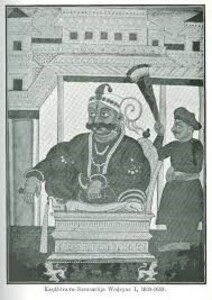
Serfoji II, also known as Shivaji II Bhonsle, was one of the prominent rulers of the Maratha Kingdom in southern India during the late 18th and early 19th centuries. He is renowned for his progressive outlook, patronage of the arts and education, and his contributions to the cultural and intellectual development of the region. Let's delve deeper into the history, origin, and legacy of this remarkable monarch.

Serfoji II was born on October 24, 1777, in the royal Bhonsle family of Thanjavur, a princely state located in present-day Tamil Nadu, India. He ascended to the throne in 1798 at the young age of 21, following the death of his father, Serfoji I. Despite his youth, Serfoji II proved to be a wise and capable ruler, focusing on promoting education, science, and literature in his kingdom.

One of Serfoji II's most significant contributions was his avid support for the spread of knowledge and culture. He established a Saraswati Mahal Library in Thanjavur, which became a center of learning and housed a vast collection of manuscripts in various languages, including Sanskrit, Tamil, and Marathi. Serfoji II himself was a patron of scholars and artists, and he actively promoted the translation of important works into Tamil, ensuring that his subjects had access to a wide range of knowledge.

In addition to his patronage of the arts and education, Serfoji II was also a forward-thinking ruler in terms of governance and administration. He introduced several reforms aimed at improving the welfare of his subjects, including land revenue policies and judicial reforms. Under his rule, Thanjavur flourished as a center of culture and learning, attracting scholars, artists, and poets from all over India.

Serfoji II's reign saw the Maratha Kingdom of Thanjavur facing external threats from the British East India Company, who sought to expand their control over the region. Despite this challenging political climate, Serfoji II managed to maintain a degree of autonomy for his kingdom through diplomacy and strategic alliances with neighboring powers. However, the British ultimately annexed Thanjavur in 1799, marking the end of the independent Maratha rule in the region.

After the annexation, Serfoji II retained his title as the ruler of Thanjavur under British suzerainty. He continued to govern his kingdom with a focus on education and culture, but his power was significantly curtailed by the British colonial administration. Despite this, Serfoji II remained a respected figure in the region and continued to support the arts and learning until his death in 1832.

Today, Serfoji II is remembered as a visionary monarch who played a crucial role in the cultural and intellectual development of southern India. His legacy lives on through the Saraswati Mahal Library and the numerous works of literature and art that he supported during his reign. Serfoji II's commitment to education, innovation, and the preservation of knowledge continues to inspire generations of scholars and artists in India and beyond.

In conclusion, Serfoji II was a ruler ahead of his time, whose reign left a lasting impact on the cultural and intellectual landscape of southern India. His dedication to learning and culture has earned him a revered place in history, and his legacy serves as a testament to the power of enlightened leadership in fostering creativity and advancement.


Sani Monastery: A Sacred Gem in the Himalayas


Sani Monastery is a part of Drukpa Kagyupa School. The principal attraction is Kanika Stupa, situated in the backyard of the monastery. Sani Monastery stands as a testament to the region's rich cultural and religious heritage. Situated on the banks of the Indus River, this ancient monastery holds a significant place in Tibetan Buddhism, particularly within the Drukpa lineage.


Founded over a thousand years ago, Sani Monastery is believed to have been established by the famous Buddhist scholar and translator Rinchen Zangpo in the 11th century. It is renowned as the only monastery in Ladakh dedicated to Naropa, the renowned Indian Buddhist sage and scholar. The monastery houses several shrines, with the main attraction being the Kanika Stupa, which is believed to contain relics of Naropa himself.


The architecture of Sani Monastery is a blend of Tibetan and Indian styles, reflecting its historical and cultural influences. The whitewashed walls adorned with colorful frescoes, intricate wood carvings, and traditional Buddhist prayer wheels contribute to its serene and spiritual atmosphere.


One of the unique aspects of Sani Monastery is its annual festival known as the "Naropa Festival," which celebrates the life and teachings of Naropa. This festival draws pilgrims and tourists alike from across the globe to witness traditional masked dances, religious ceremonies, and cultural performances against the backdrop of the majestic Himalayas.


Visitors to Sani Monastery not only experience its religious significance but also marvel at its picturesque setting.  For travelers interested in exploring the spiritual and cultural essence of Ladakh, Sani Monastery remains a must-visit destination. Whether one seeks to delve into Buddhist teachings, admire ancient art and architecture, or simply soak in the tranquil ambiance, Sani Monastery promises an unforgettable journey into the heart of Himalayan spirituality.

Saturday, 6 July 2024

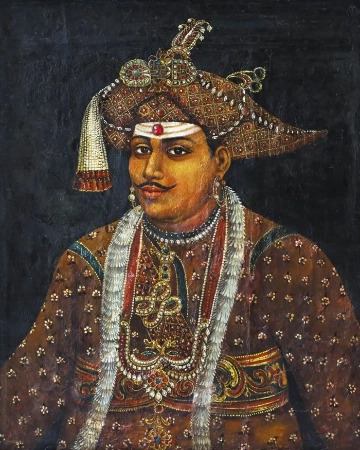
Sriranga III: The Illustrious Vijayanagara King


Sriranga III, also known as Ranga Raya III, was a prominent ruler of the Vijayanagara Empire, reigning during a critical phase in its history. His rule spanned from 1592 to 1614 CE, marking a period of both challenges and accomplishments for the empire.

Sriranga III ascended the throne during a turbulent time when the Vijayanagara Empire was grappling with external invasions and internal strife. His reign followed the decline that began after the catastrophic Battle of Talikota in 1565, which significantly weakened Vijayanagara's influence in the Deccan region.

Despite these challenges, Sriranga III is remembered for his efforts to stabilize the empire and restore its former glory. He sought alliances with various regional powers to counter the growing influence of the Deccan Sultanates and other rival kingdoms. His diplomatic acumen helped to temporarily consolidate Vijayanagara's territories and maintain a semblance of authority in the face of external threats. Culturally, Sriranga III continued to patronize the arts and literature, contributing to the vibrant cultural milieu of Vijayanagara. His court attracted scholars, poets, and artists, fostering a renaissance of sorts amidst the geopolitical turmoil. Architectural endeavors also flourished under his reign, with several temples and monuments receiving royal patronage and embellishment.

However, Sriranga III's reign ultimately ended with his tragic demise in 1614, marking a poignant chapter in Vijayanagara's history. His death was followed by further instability and the eventual disintegration of the empire, culminating in the fall of Hampi, the imperial capital, in 1646.

Today, Sriranga III is remembered as a ruler who navigated challenging times with resilience and foresight, striving to uphold the legacy of Vijayanagara amidst formidable odds. His contributions to diplomacy, culture, and architecture continue to be studied and admired, shedding light on a pivotal era in South Indian history marked by both grandeur and adversity.


Lamayuru Monastery: Gateway to Tranquility in Ladakh


Lamayuru Monastery, nestled in the stark landscape of Ladakh, India, is a beacon of Buddhist spirituality and architectural splendor. Located at an altitude of 3,510 meters (11,520 ft), it stands proudly amidst the rugged mountains of the Himalayas, offering a serene retreat for monks and visitors alike.


Believed to be one of the oldest and largest monasteries in Ladakh, Lamayuru holds a special place in the hearts of Buddhists worldwide. Legend has it that the great Indian scholar Naropa, in the 11th century, meditated in the caves that surround the monastery. These caves, known as Naropa's cave, are still preserved and revered by pilgrims who visit seeking spiritual enlightenment. The monastery complex itself is a sight to behold, with its whitewashed walls and rows of prayer wheels that visitors can spin as they walk along its corridors. Inside the main temple, ancient frescoes and thangka paintings adorn the walls, depicting scenes from Buddhist mythology and the life of Buddha.


Lamayuru Monastery is also famous for its annual Masked Dance Festival, held in the second lunar month of the Tibetan calendar (usually February-March). During this festival, monks don elaborate costumes and masks, performing ritualistic dances that symbolize the triumph of good over evil. Beyond its spiritual significance, Lamayuru offers breathtaking views of the surrounding landscape, characterized by moon-like terrain and dramatic cliffs.


Visitors often trek to nearby spots like the Moonland and Lamayuru village, immersing themselves in the unique culture and hospitality of the region. For travelers seeking tranquility and a deep connection to Buddhist heritage, Lamayuru Monastery remains a timeless destination, where the echoes of ancient chants and the beauty of the Himalayas converge in perfect harmony.


Friday, 5 July 2024

Thuljaji: Unveiling the Legacy of a Cultural Icon


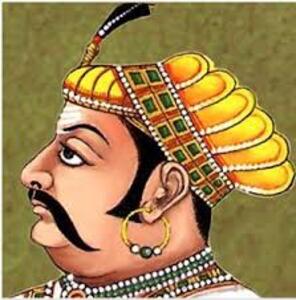
Thuljaji, a revered name in the annals of Indian history, holds a significant place in the realm of art and cultural heritage. Originating from the rich tapestry of Rajasthani tradition, Thuljaji's legacy is intertwined with tales of valor, artistic prowess, and a deep connection to the land of Rajasthan.

Thuljaji, also known as Thuljaji II, belonged to the Rathore dynasty of Marwar, one of the prominent princely states of Rajasthan. He ascended to prominence during the late 17th and early 18th centuries, a period marked by the consolidation of Marwar under the leadership of the Rathore rulers.

Thuljaji II is celebrated for his patronage of the arts, particularly in the fields of music, dance, and literature. He was known for his support of talented musicians and poets, fostering a cultural renaissance in Marwar. His court became a hub of artistic creativity, where musicians and poets found encouragement and recognition for their talents.

Under Thuljaji's patronage, Marwari music and dance flourished, reflecting the vibrant cultural ethos of Rajasthan. The Rathore rulers, including Thuljaji, were patrons of the Marwari folk traditions, which encompassed a rich tapestry of devotional music, narrative ballads, and celebratory dances that showcased the region's cultural diversity.

Thuljaji II's reign also witnessed significant architectural developments in Marwar. He contributed to the enhancement and construction of forts, palaces, and temples, which not only served as symbols of Rathore power but also as centers of cultural and religious activities. These structures blended Rajput architectural styles with local influences, creating a distinctive aesthetic that continues to define Rajasthan's architectural heritage.

Thuljaji II's legacy endures through the ages as a testament to his contributions to Marwari culture and heritage. His patronage of the arts and architecture left an indelible mark on Rajasthan, influencing subsequent generations of rulers and artists. Today, his name evokes admiration and reverence among historians, art connoisseurs, and enthusiasts of Rajasthani culture.

In conclusion, Thuljaji II stands as a shining example of a ruler whose reign exemplified the harmonious blend of political acumen and cultural patronage. His contributions to Marwari music, dance, literature, and architecture enriched Rajasthan's cultural landscape, fostering a legacy that continues to inspire and resonate with people across generations. Thuljaji II's story serves as a reminder of the enduring power of art and culture to unite and enrich societies, making him a cherished figure in the vibrant tapestry of Rajasthan's history.


Thursday, 4 July 2024

Thikse Monastery: Architecture and Sacred Art


Nestled amidst the rugged, snow-capped peaks of the Himalayas in the Leh district of Ladakh, India, the Thikse Monastery stands as a testament to the rich cultural and spiritual heritage of the region. As one of the largest and most significant gompas, or Tibetan Buddhist monasteries, in Ladakh, Thikse Monastery has captivated visitors and scholars alike with its intriguing history, innovative architectural methodology, and the diverse array of religious practices that have flourished within its hallowed walls.


The origins of Thikse Monastery can be traced back to the 15th century, when it was founded by Palden Choegyal, a revered Tibetan Buddhist teacher and scholar. Over the centuries, the monastery has undergone numerous expansions and renovations, each phase reflecting the evolving needs and aspirations of the monastic community. Today, Thikse Monastery is home to a thriving community of over 100 monks, who dedicate their lives to the study and propagation of Mahayana Buddhism, one of the major branches of the Buddhist tradition.


The architectural design of Thikse Monastery is a remarkable fusion of Tibetan and Ladakhi styles, seamlessly blending elements of traditional Himalayan construction with innovative structural techniques. The monastery's towering, multi-tiered structure, adorned with intricate murals, statues, and religious iconography, is a testament to the skill and artistry of its builders. The use of mud-brick and stone in the construction, combined with the strategic placement of windows and ventilation systems, not only lends the monastery an air of timeless elegance but also ensures that it remains remarkably well-insulated against the harsh Himalayan climate.


Within the hallowed halls of Thikse Monastery, visitors can immerse themselves in a rich tapestry of religious practices and traditions. From the daily chanting of Buddhist sutras to the vibrant, colorful celebrations of Tibetan festivals, the monastery offers a unique glimpse into the vibrant and dynamic spiritual life of the Ladakhi people. The monastery's extensive collection of ancient Tibetan scriptures, religious artifacts, and sacred relics further underscores its significance as a hub of cultural and intellectual exchange, attracting scholars and pilgrims from around the world.


As a captivating blend of history, architectural innovation, and spiritual devotion, Thikse Monastery stands as a testament to the enduring resilience and cultural richness of the Himalayan region. Its enduring legacy continues to inspire and captivate all who venture to its serene and majestic environs.


Somesvara I: A Legacy of Chalukyan Brilliance


Somesvara I, also known as Vikramaditya VI, stands out as one of the most illustrious rulers of the Chalukya dynasty, leaving an indelible mark on the history and culture of medieval India. His reign, spanning from 1076 to 1126 CE, is characterized by military conquests, architectural marvels, and patronage of arts and literature, making him a pivotal figure in South Indian history.

Somesvara I ascended to the throne of the Western Chalukya Empire at a time when the dynasty was already established but faced challenges from neighboring kingdoms. His lineage traced back to the great Chalukya rulers who had carved out a formidable empire across southern India, with their capital at Kalyani (present-day Basavakalyan in Karnataka).

One of the defining features of Somesvara I's reign was his adept handling of diplomatic relations with neighboring powers, such as the Cholas and the Hoysalas. By forging strategic alliances and engaging in tactful negotiations, he managed to maintain a delicate balance of power in the region, thereby ensuring the stability and prosperity of his kingdom.

Somesvara I's military campaigns were characterized by his bold and innovative tactics, often catching his opponents off guard and securing decisive victories on the battlefield. His leadership skills and martial prowess earned him a reputation as a formidable warrior king who was not to be underestimated.

In addition to his military achievements, Somesvara I was also a great patron of arts and culture. His court was adorned with poets, scholars, and artists who flourished under his generous patronage. The kingdom witnessed a period of cultural renaissance, with literature, music, and dance reaching new heights of sophistication and refinement.

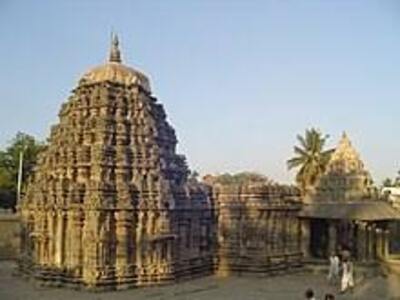
The architectural legacy of Somesvara I can be seen in the magnificent temples and monuments built during his reign. The Chalukya style of architecture, characterized by intricate carvings, elaborate sculptures, and towering vimanas, reached its zenith under his patronage. Some of the most famous temples attributed to his reign include the Mahadeva Temple in Itagi and the Kasivisvesvara Temple in Lakkundi.

Despite his many achievements, Somesvara I's reign was not without challenges. Internal dissent, court intrigues, and external threats posed constant obstacles to his rule, necessitating shrewd political maneuvering and swift military action to maintain his hold over the kingdom.

The legacy of Somesvara I continues to resonate in the annals of Indian history as a testament to the power and influence of the Western Chalukya dynasty. His reign exemplifies the intricate interplay of politics, culture, and military might that defined the medieval kingdoms of India, leaving behind a legacy that continues to inspire awe and admiration.

In conclusion, Somesvara I stands out as a towering figure in the annals of Indian history, revered for his military exploits, cultural patronage, and architectural achievements. His reign exemplifies the golden age of the Western Chalukyas, a period of unparalleled prosperity and artistic flourish that left an indelible mark on the history of the Deccan region.


Spituk Monastery: A Spiritual Jewel of Ladakh


Spituk monastery, also known as Spituk Gompa or Pethup Gompa, is a Buddhist monastery. Nestled in the picturesque landscapes of Ladakh, Spituk Monastery stands as a testament to the region's rich cultural and spiritual heritage. This ancient monastery, located just 8 kilometers from Leh, the capital of Ladakh, holds significant historical and religious importance.


History:

Spituk Monastery, also known as Spituk Gompa, was founded in the 11th century by Od-de, the elder brother of Lha Lama Changchub Od. The monastery belongs to the Gelugpa sect of Tibetan Buddhism and has been a center for Buddhist teachings and rituals for centuries. Overlooking the Indus River, Spituk Monastery has witnessed the ebb and flow of Ladakh's history, from its early days to its role in the spread of Buddhism across the Himalayan region.


Methodology:

The monastery follows the traditional Tibetan Buddhist monastic system. It serves as a residence for monks who dedicate their lives to the study, contemplation, and practice of Buddhist teachings. The daily life of the monastery revolves around rituals, prayers, and ceremonies conducted according to ancient traditions. Visitors often have the opportunity to witness monks engaged in chanting, meditation, and religious debates, offering a glimpse into the spiritual discipline that defines life at Spituk.


Types:

Within Spituk Monastery, there are various temples and assembly halls that house a collection of ancient statues, thangkas (Tibetan Buddhist paintings), and religious artifacts. The most renowned feature of Spituk is the gigantic statue of Mahakal, or Vajrabhairava, which is unveiled during the annual Spituk Gustor Festival. This festival, celebrated with much fervor in January, showcases traditional masked dances (cham) performed by monks, symbolizing the triumph of good over evil.


Visiting Spituk Monastery allows one to not only admire its architectural beauty but also to delve into the spiritual essence that permeates its walls. The serene atmosphere and panoramic views of the surrounding mountains and valleys add to the monastery's allure, making it a must-visit destination for those exploring the cultural wealth of Ladakh.


In conclusion, Spituk Monastery stands as a living legacy of Ladakh's Buddhist heritage, offering a profound insight into both its history and spiritual practices. It continues to be a beacon of tranquility and enlightenment for monks and visitors alike, embodying the timeless wisdom of Tibetan Buddhism in the heart of the Himalayas.


Wednesday, 3 July 2024

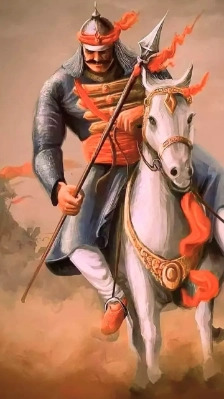
Maharana Pratap Singh: The Heroic Defender of Mewar


Maharana Pratap Singh, also known as Maharana Pratap, is revered as one of the most valiant and revered rulers of Mewar in Rajputana, present-day Rajasthan, India. His unwavering courage, determination, and commitment to upholding the honor and independence of his kingdom have solidified his place in Indian history as a symbol of resistance against Mughal aggression and tyranny.

Born in 1540 in Kumbhalgarh, Maharana Pratap belonged to the Sisodia Rajput clan, whose lineage traced back to the great warrior dynasty of Mewar. He ascended to the throne of Mewar in 1572 after the death of his father, Maharana Udai Singh II, amidst challenging circumstances marked by external invasions and internal conflicts.

Maharana Pratap's reign was characterized by relentless struggles against the mighty Mughal Empire, specifically the rule of Emperor Akbar, who sought to expand his imperial authority over the Rajput kingdoms. Refusing to submit to Mughal suzerainty, Maharana Pratap steadfastly defended the honor and sovereignty of Mewar, choosing the path of resistance and defiance against the powerful Mughal forces.

One of the most defining episodes in Maharana Pratap's life was the Battle of Haldighati in 1576, where he faced the forces of Emperor Akbar led by his general, Man Singh of Amber. Despite being outnumbered and facing formidable adversaries, Maharana Pratap displayed outstanding leadership and battlefield skills, fighting bravely to defend his kingdom and people. Though the battle resulted in a tactical defeat for Maharana Pratap, he managed to evade capture and continue his resistance against the Mughals from the rugged terrains of the Aravalli hills.

Maharana Pratap's defiance and steadfastness in the face of adversity won him the admiration and respect of his subjects and fellow Rajputs, who saw him as a beacon of courage and valor. His commitment to upholding the Rajput code of honor, known as "Rajputana Dharma," earned him a place of reverence in Rajput folklore and history.

Apart from his military campaigns and battles against the Mughals, Maharana Pratap was also a patron of art, culture, and welfare initiatives for his people. He promoted the flourishing of Rajput traditions, architecture, and folk arts, fostering a strong sense of identity and pride among the people of Mewar.

Maharana Pratap's legacy as a fearless warrior king and a symbol of Rajput resistance remains immortal in the hearts and minds of the Indian populace. His story continues to inspire generations, underscoring the values of courage, resilience, and sacrifice in the pursuit of truth and freedom.

In conclusion, Maharana Pratap Singh's indomitable spirit, noble ideals, and unwavering devotion to his kingdom and people serve as a shining example of leadership and valor in Indian history. His legacy as the fearless warrior king of Mewar endures as a source of inspiration and reverence for all who cherish the spirit of independence and integrity.


Tuesday, 2 July 2024

Vikramashila Monastery: A Beacon of Buddhist Learning


Vikramashila Monastery, located in present-day Bihar, India, was one of the most renowned centers of Buddhist learning during the Pala Empire in the 8th to 12th centuries. Vikramasila Monastery is one of the most popular monasteries situated in Antichak in Bhagalpur District of Bihar. Founded by King Dharmapala in the late 8th century, it flourished as a major seat of learning, attracting scholars and students from across Asia.


History:

The monastery was established during the reign of King Dharmapala to revive and propagate Mahayana Buddhism. It grew rapidly under the patronage of the Pala rulers, becoming a hub of intellectual and spiritual activity. At its zenith, Vikramashila was home to over 100 teachers and housed thousands of students, making it a vibrant center for Buddhist education.

Methodology:

Vikramashila Monastery was known for its rigorous academic curriculum and disciplined approach to Buddhist studies. It followed the traditional methods of teaching found in Indian monastic universities, including extensive study of Buddhist scriptures, philosophy, logic, and meditation practices. The monastery emphasized both theoretical knowledge and practical application of Buddhist principles in daily life.

Types of Learning:

Scholars at Vikramashila engaged in various forms of Buddhist learning, including:

1. Scriptural Studies: Intensive study of Buddhist texts such as sutras and shastras to understand the teachings of Buddha and their interpretations by renowned scholars.  

2. Philosophical Debates: Debates were a central feature of Vikramashila's educational methodology, where scholars engaged in dialectical discussions to refine their understanding of Buddhist philosophy and logic.

3. Meditation Practices: The monastery also placed significant emphasis on meditation as a means to achieve spiritual insight and realization of Buddhist teachings.

Despite its eventual demise, Vikramashila remains a symbol of the intellectual and spiritual heights achieved by Buddhism in medieval India. Today, the site is a UNESCO World Heritage candidate, preserving its legacy as a beacon of Buddhist scholarship and philosophical inquiry.


Bappa Rawal: Legendary Warrior and Founder of Mewar


Bappa Rawal, also known as Kalbhoj or Rawal Bappa, was a legendary figure from the early medieval period in Indian history. He is believed to have been the founder of the territory of Mewar in present-day Rajasthan and the first ruler of the Sisodia dynasty. Bappa Rawal's life and legacy are shrouded in myth and folklore, making it challenging to separate historical fact from legend.

According to traditional accounts, Bappa Rawal was born in the 8th century in modern-day Afghanistan. He was said to be a descendant of the Guhilot clan of Rajputs, known for their valor and martial prowess. Bappa Rawal is often portrayed as a fearless warrior who led the Rajput clans in battles against foreign invaders and rival kingdoms.

One of the most famous legends associated with Bappa Rawal is his conquest of the Chittor Fort in present-day Rajasthan. It is said that Bappa Rawal, then a young warrior, defeated the ruling Mor tribe and captured the fort, establishing his rule over the region. The Chittor Fort became the seat of power for the Sisodia dynasty, which would go on to play a significant role in the history of Rajasthan.

Bappa Rawal's military campaigns expanded the territory of Mewar and established a powerful Rajput kingdom in the region. He is credited with consolidating the political power of the Rajputs and defending their lands against external threats. Bappa Rawal's legacy as a brave and skilled warrior is celebrated in Rajput folklore and tradition, where he is revered as a heroic figure who epitomized the virtues of courage, honor, and loyalty.

In addition to his military exploits, Bappa Rawal is also credited with promoting the values of Rajput chivalry and honor. He is said to have upheld the principles of bravery, loyalty to the clan, and protection of women and children in times of conflict. Bappa Rawal's leadership and adherence to Rajput traditions helped to solidify the social and cultural fabric of the Rajput community in medieval India.

The legacy of Bappa Rawal and the Sisodia dynasty continued to influence the political landscape of Rajasthan for centuries to come. The rulers of Mewar, descended from Bappa Rawal, maintained a reputation for valor and independence, often resisting foreign invasions and maintaining their sovereignty in the face of adversity.

Today, the memory of Bappa Rawal lives on in the folklore, ballads, and traditions of the Rajput community in Rajasthan. His legendary exploits and heroic deeds continue to inspire reverence and admiration among descendants of the Sisodia dynasty and Rajputs across India.

While the historical accuracy of Bappa Rawal's life remains debated, his significance as a symbol of Rajput valor and pride is undeniable. As a legendary figure who embodied the ideals of Rajput chivalry and bravery, Bappa Rawal remains a celebrated and revered figure in Indian history and folklore.


Monday, 1 July 2024

Namgyal Monastery: A Bastion of Tibetan Buddhist Tradition


The Namgyal Monastery stands as a revered institution, preserving the rich tapestry of Tibetan Buddhist heritage. A unique aspect of Namgyal monastery is its diversity of practice. Established in the 16th century, this captivating monastery has long been a center of spiritual and intellectual enlightenment, drawing devotees and scholars from around the world.


The history of Namgyal Monastery is intertwined with the enduring legacy of Tibetan Buddhism. It was founded by the Sixth Dalai Lama, Tsangyang Gyatso, who sought to create a sanctuary for the study and propagation of the Gelugpa school of Tibetan Buddhism. Over the centuries, the monastery has weathered political upheavals and cultural transformations, yet it has remained steadfast in its commitment to preserving the sacred teachings and rituals of this ancient tradition.


The methodology employed within the walls of Namgyal Monastery is a testament to the rigorous and meticulous approach that characterizes Tibetan Buddhist practice. Meditation sessions are integral to their daily routine, fostering inner peace and spiritual growth. The monastery's library houses an extensive collection of sacred texts, ranging from sutras and tantras to commentaries and historical chronicles, all of which serve as the foundation for the monks' intellectual and spiritual pursuits.


One of the unique features of Namgyal Monastery is the variety of its monastic types. Along with the traditional Gelugpa lineage, the monastery also encompasses practitioners from other Tibetan Buddhist schools, such as the Nyingma and Kagyu traditions. This diversity allows for a rich exchange of ideas and a deeper understanding of the multifaceted nature of Tibetan Buddhism.


Today, Namgyal Monastery continues to be a revered institution, attracting visitors from around the world who seek to immerse themselves in the timeless wisdom and profound contemplative practices of Tibetan Buddhism. As visitors step into its hallowed halls and witness the monks deep in prayer and study, they experience a profound connection to the timeless teachings of the Buddha.

Maharaja Ajit Singh: A Legacy of Courage and Leadership.


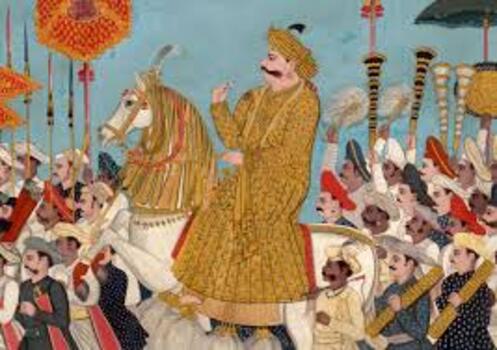
Maharaja Ajit Singh, a prominent figure in the history of Rajasthan, India, is remembered for his valor, leadership, and commitment to his people. Born in 1687 in the royal family of Marwar, Ajit Singh was the eldest son of Maharaja Jaswant Singh I and Rani Dev Kanwar. He ascended to the throne of Marwar in 1707 at the young age of 20, following the death of his father in battle with the Mughal Empire.

Ajit Singh's reign was marked by constant struggles against the oppressive Mughal rule. He fiercely defended the autonomy of his kingdom and sought alliances with other Rajput rulers to resist Mughal dominance. His defiance and resistance to Mughal authority earned him the title of "Maha Rana" or "Great King" among his people.

One of the most notable events in Ajit Singh's life was his confrontation with the powerful Mughal emperor Aurangzeb. In 1679, Aurangzeb imposed the jizya tax on non-Muslims, including the Rajputs, leading to widespread unrest among the Hindu population. Ajit Singh boldly refused to pay the tax and challenged Aurangzeb's authority, leading to a series of conflicts between the Marwar and Mughal forces.

Despite facing overwhelming odds, Ajit Singh displayed remarkable military prowess and strategic acumen in his resistance against the Mughals. He employed guerrilla tactics and utilized the rugged terrain of Marwar to his advantage, making it difficult for the Mughal forces to defeat him. Ajit Singh's perseverance and bravery in the face of adversity inspired his followers and instilled a sense of pride and unity among the people of Marwar.

In addition to his military achievements, Ajit Singh was also known for his patronage of art, culture, and literature. He was a great admirer of poetry and music and supported many artists and scholars during his reign. Ajit Singh's court became a center of cultural excellence, attracting poets, musicians, and intellectuals from all over India.

The legacy of Maharaja Ajit Singh continues to endure in the collective memory of the Rajput community. His courage, leadership, and commitment to the welfare of his people have made him a revered figure in Rajput history. His defiance against the oppressive Mughal rule symbolizes the spirit of resistance and independence that defines the Rajput ethos.

In conclusion, Maharajaaaa Ajit Singh's life and legacy exemplify the values of courage, honor, and determination. His contribution to the history of Rajasthan and the Rajput community remains a source of inspiration for generations to come.