Tuesday, 23 July 2024

Exploring the Magnificence of Ajanta Caves: A Journey through Time and Art


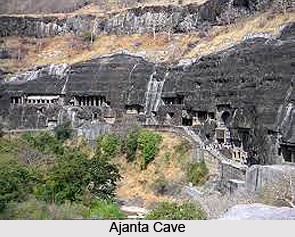
Nestled in the hills of Maharashtra, India, the Ajanta Caves stand as a testament to the remarkable artistry and religious fervor of ancient civilizations. These rock-cut caves, which date back to the 2nd century BCE, serve as a significant historical and cultural repository, reflecting the evolution of Buddhist art and architecture over several centuries.

The discovery of the Ajanta Caves is credited to a British hunting party led by John Smith in 1819. Overgrown with foliage and concealed from the outside world, the caves were previously unknown to the modern era. The complex includes a total of 30 caves, which were primarily excavated during two different periods: the early phase in the 2nd century BCE to the 1st century CE and a later phase from the 5th to 6th centuries CE. This timeline marks the site as an essential center for the flourishing of Buddhism, especially during the reigns of dynasties such as the Vakatakas.

During the earlier phase, the caves were used as monastic quarters for Buddhist monks and included viharas (monasteries) and chaityas (prayer halls). The later phase, on the other hand, saw an increase in the elaboration of artwork and architectural design, attributed to the wealth generated by trade routes that passed through the region. The intricate frescoes and sculptures found within the Ajanta complex showcase the artistic prowess of the time, often depicting scenes from the Jataka tales, which are narratives of the previous lives of the Buddha.

The Ajanta Caves are revered for their stunning mural paintings and sculptures. The walls of the caves are adorned with vivid frescoes that illustrate Buddhist iconography and depict tales from the Buddha’s life and the Jataka tales. The artists employed sophisticated techniques, showcasing an understanding of perspective, anatomy, and motion that was progressive for its time. The colors, derived from natural minerals, have remarkably retained their vibrancy over the centuries, allowing visitors to appreciate the skill and creativity of the ancients.

One of the most notable caves is Cave 1, which features the famous figure of the Bodhisattva Avalokiteshvara and vibrant depictions of dance and music. Another significant cave is Cave 2, known for its magnificent carvings and the nearly complete fresco of the Buddhist heaven. Each cave possesses its own unique character, yet they all share a common artistic language that mirrors the spiritual ideals of the era.

The Ajanta Caves exemplify the technique of rock-cut architecture, where artists carved out entire structures from solid rock. This method allowed for the creation of vast interiors, intricate pillars, and arched doorways, showcasing the ingenuity of ancient builders. The chaityas, or prayer halls, are particularly notable for their vaulted ceilings and stupas at the far end, representing a focus of worship.

The significance of the Ajanta Caves extends beyond their artistic merit; they are recognized as a UNESCO World Heritage Site, emphasized for their cultural and historical importance. Efforts have been made to preserve and protect the caves from natural erosion and human impact. The site's exploration has also inspired increased academic interest in the study of ancient Indian culture and religion, contributing to a greater understanding of Buddhism's influence in the region.

In conclusion, the Ajanta Caves are more than just a collection of ancient monuments; they are a bridge to understanding India's rich cultural heritage and the evolution of Buddhist art. Through their stunning artistry and historical significance, the caves continue to captivate the imagination of scholars, pilgrims, and tourists alike, preserving the legacy of a glorious past for generations to come.


Namgyal Tsemo Monastery: A Spiritual Jewel in Ladakh's Crown


Perched majestically atop a hill overlooking the ancient city of Leh in Ladakh, India, Namgyal Tsemo Monastery stands as a symbol of spiritual serenity and cultural richness. Founded in the early 15th century by King Tashi Namgyal of Ladakh, this Namgyal Tsemo monastery holds profound significance for Tibetan Buddhism in the region.


The monastery's name, "Namgyal Tsemo," translates to "Victorious Peak" in Tibetan, reflecting its lofty position and the triumph of Buddhist teachings it represents. Visitors ascending the hill are greeted by a series of prayer flags fluttering in the breeze, guiding them towards the whitewashed walls and ornate architecture of the monastery.


Central to Namgyal Tsemo Monastery is the three-story high statue of Maitreya Buddha, renowned for its gilded copper image and serene countenance. The main prayer hall, adorned with vibrant murals depicting Buddhist legends and teachings, offers a tranquil space for monks and devotees to engage in prayer, meditation, and religious ceremonies.


The monastery also houses a collection of ancient scriptures, thangka paintings, and religious artifacts that provide insights into the rich cultural heritage of Ladakh. During festivals such as the Gustor Festival, monks clad in vibrant robes perform masked dances and rituals to celebrate Buddhist traditions and ward off malevolent spirits.


Beyond its spiritual allure, Namgyal Tsemo Monastery offers breathtaking panoramic views of Leh town, the Indus River, and the surrounding Himalayan peaks. Its strategic location atop a hill not only enhances its spiritual ambiance but also invites visitors to contemplate the natural beauty and cultural richness of Ladakh.


In conclusion, Namgyal Tsemo Monastery stands as a cherished sanctuary of Tibetan Buddhism in the heart of Ladakh. Whether for spiritual seekers or cultural enthusiasts, a visit to this ancient monastery promises an enriching experience filled with history, art, and the timeless wisdom of Buddhist teachings.

Monday, 22 July 2024

Coins of the Ikshvaku and Vishnukundi Rulers: A Glimpse into Ancient Indian History


The ancient Indian subcontinent is rich in history, culture, and economic innovation. Among the myriad of dynasties that flourished in this region, the Ikshvaku and Vishnukundi rulers stand out, particularly due to their unique contribution to numismatics—the study of coins. The coins minted by these dynasties not only functioned as currency but also served as critical artifacts that depict the sociopolitical and religious tapestry of their time.

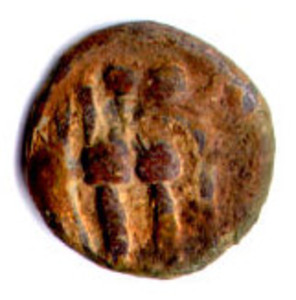
The Ikshvaku dynasty, believed to be descended from Lord Rama, ruled in the region of present-day Andhra Pradesh around the 1st to 3rd century CE. They were among the earliest dynasties to issue coins in Southern India, and their currency was predominantly made of silver and copper. The coins of the Ikshvaku rulers are primarily categorized into two types: punch-marked coins and cast coins.

The punch-marked coins are characterized by their simplicity, featuring various symbols like a tree or an umbrella, which are thought to have been sacred in ancient times. Each punch tells a story or signifies a predominant ideology or belief system of the moment, possibly linked to the dominant religion of the region, which during that period was primarily Buddhism.

On the other hand, cast coins were crafted using molds, a technique that allowed for more diverse designs. The obverse side of many Ikshvaku coins features the depiction of deities such as Buddha, reinforcing the dynasty's patronage of Buddhism and their correlation with the spiritual sentiments that were prevalent in society.

One prominent ruler of this dynasty was King Hala, known for his contributions to literature and culture, who also minted coins that displayed a granule on one side and an inscription in Brahmi script on the reverse. Such coins not only served economic functions but also displayed the ruler's authority and connection to the divine.

Following the Ikshvaku period, the Vishnukundi dynasty emerged, ruling from the 3rd to 5th century CE over significant portions of what is now Andhra Pradesh and Telangana. The Vishnukundis are noted for their highly sophisticated coinage that generally resonated with a more intricate aesthetic than their predecessors.

Vishnukundi coins often featured images of deities from Hindu mythology, particularly Vishnu and his consort, Lakshmi. Unlike the simpler forms of the Ikshvaku coins, Vishnukundi coins reflected a greater level of artistry and craftsmanship. These coins were typically made of both gold and silver and displayed both punched designs and engraved details, showcasing the influence of Gupta artistry that also permeated the region during their reign.

The reverse side of Vishnukundi coins often bore inscriptions in Sanskrit, providing crucial insights into the political and economic scenarios of the time. These inscriptions typically included the names of the rulers, titles, and sometimes the values of the coins, reinforcing their legitimacy and establishing a connection between the ruler and the populace.

The coins of both the Ikshvaku and Vishnukundi rulers serve as vital primary sources that help historians understand the economic practices, political structures, and religious influences in ancient Southern India. They illustrate the shift from a primarily Buddhist influence in the Ikshvaku period to a more pronounced Hindu influence under the Vishnukundi rulers.

In conclusion, the numismatic legacy of the Ikshvaku and Vishnukundi rulers provides a window into a dynamic period of Indian history marked by intricate sociocultural interactions and evolving governance structures. These coins are not merely artifacts but vital links to the rich historical narrative of ancient India, reflecting the complexities of the eras they emerged from and the enduring legacy they leave behind.


Tangyud Monastery: A Glimpse into Spiti Valley's Spiritual Heritage


Located in the remote Spiti Valley of Himachal Pradesh, India, Tangyud Monastery stands as a testament to both Buddhist spirituality and architectural ingenuity. Perched dramatically atop a hill at an altitude of over 4,000 meters, this ancient monastery overlooks the barren but breathtaking landscape, offering a serene haven amidst the rugged Himalayan terrain.


History and Significance:

Believed to have been founded around the 14th century, Tangyud Monastery holds immense historical and religious significance for the local Buddhist community, primarily following the Gelugpa sect of Tibetan Buddhism. Over the centuries, it has served not only as a place of worship but also as a center for learning and meditation. The monastery has endured the harsh mountain climate and has been rebuilt several times, with its current structure dating back to the early 20th century.


Architecture:

What distinguishes Tangyud Monastery is its unique architecture. Built entirely of stone and wood, the monastery features thick walls, small windows, and flat roofs that are characteristic of Tibetan Buddhist monastic architecture. The main prayer hall, adorned with colorful frescoes and thangkas depicting Buddhist deities and teachings, exudes a sense of tranquility and spiritual devotion. The rooftop offers panoramic views of the Spiti Valley, adding to the spiritual experience of visitors and monks alike.


Cultural Influence:

Beyond its religious importance, Tangyud Monastery plays a vital role in preserving the cultural heritage of Spiti Valley. It hosts religious festivals like the Gustor Festival, where monks perform masked dances (cham) to ward off evil spirits and bless the community. These festivals not only attract devotees but also curious travelers seeking a deeper understanding of Tibetan Buddhist traditions and rituals.


Visiting Tangyud Monastery:

Access to Tangyud Monastery can be challenging due to its remote location and the rough terrain of Spiti Valley. However, the journey itself is part of the experience, offering travelers an opportunity to witness the untouched natural beauty of the region and to delve into the rich cultural tapestry of Tibetan Buddhism.


In essence, Tangyud Monastery stands not only as a religious center but also as a cultural beacon, symbolizing the resilience and devotion of the people of Spiti Valley. Its serene ambiance and architectural splendor continue to captivate and inspire visitors from around the world, inviting them to explore a lesser-known yet profoundly spiritual corner of the Himalayas.

Sunday, 21 July 2024

Indian Rulers Against the British Army: A Struggle for Sovereignty


The struggle for independence in India was marked by numerous conflicts and resistance movements against the British colonial forces. The Indian rulers, comprising maharajas, nawabs, and various regional chieftains, played a crucial role in opposing British expansionism and asserting their authority over their territories. This article delves into some notable Indian rulers who stood against the British army, their motivations, and the significance of their resistance.

By the early 18th century, the decline of the Mughal Empire created a power vacuum in India, enabling various regional rulers to emerge. The British East India Company capitalized on this fragmentation to further its territorial ambitions, systematically annexing princely states through a mixture of diplomacy, warfare, and coercion. The imposition of treaties that favored the British and undermined local sovereignty incensed these rulers, paving the way for armed resistance.

One of the most iconic figures in the fight against British rule was Rani Lakshmibai of Jhansi. During the upheaval of the 1857 Revolt, often referred to as the First War of Indian Independence, Rani Lakshmibai emerged as a formidable leader. After the British attempted to annex her territory under the pretext of the Doctrine of Lapse, she became a symbol of resistance. Despite being outmatched, she skilled in military tactics and led her troops valiantly until her death in 1858. Her bravery inspired countless others to rise against the British, cementing her legacy as a national heroine.

Nawab Wajid Ali Shah of Awadh was another crucial figure in the rebellion against British rule. Initially seen as a puppet ruler, his extravagant lifestyle and lack of political foresight led to discontent among his subjects. However, when the British deposed him under false pretenses, it ignited widespread unrest. The Nawab's soldiers and civilian supporters joined forces in the 1857 uprising, rallying around the cry for self-rule and justice. His commitment to fighting British imperial aggression illustrated the deep-seated resentment that many Indian rulers felt toward colonial domination.

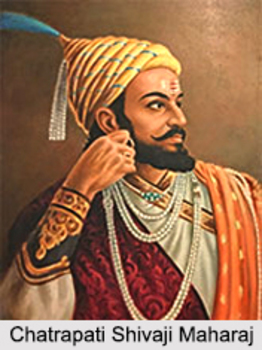
Before the 1857 revolt, the Maratha Confederacy had established a significant challenge to British hegemony. Notable leaders such as Chhatrapati Shivaji Maharaj and later figures like Bajirao II fought hard against British encroachment. While the British eventually subdued the Marathas in the early 19th century, their initial resistance exemplified the intense desire for sovereignty. The Maratha legacy of guerrilla warfare and unity against a common foe left an indelible mark in the annals of anti-colonial struggle.

In addition to these prominent figures, several regional leaders engaged in resistance activities throughout India, including the Sikhs under Maharaja Ranjit Singh, and the myriad princely states that resisted British control through various means—from diplomacy to armed rebellion. Their efforts, although often localized, collectively contributed to a growing narrative of national identity and resistance.

The Indian rulers’ resistance against the British army was not merely a struggle for territorial integrity but a broader quest for self-determination and dignity. Their valor and sacrifices laid the groundwork for the eventual Indian independence movement. While the British may have succeeded in subjugating these rulers in the short term, the spirit of rebellion they ignited continued to inspire generations, ultimately culminating in India gaining independence in 1947. The legacy of these rulers remains a testament to the resilience of India's diverse fabric and the enduring fight for freedom.


Friday, 19 July 2024

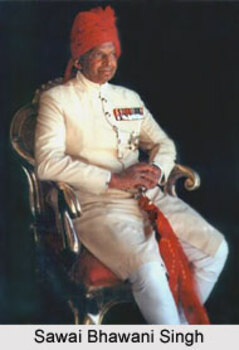
Maharaja Sawai Bhawani Singh: A Legacy of Leadership and Heritage


Maharaja Sawai Bhawani Singh, a prominent figure in the annals of Indian royalty, is remembered not only for his distinguished lineage but also for his contributions to preserving cultural heritage and his role in contemporary Indian society. His life and legacy exemplify a blend of tradition, modernity, and steadfast commitment to his princely duties.

Born on October 22, 1931, Maharaja Sawai Bhawani Singh belonged to the royal family of Jaipur, one of the most prominent princely states in British India. His father, Maharaja Sawai Man Singh II, was a progressive ruler known for his vision and modernization efforts in Jaipur. Bhawani Singh inherited the throne of Jaipur in 1970, following the death of his father.

Maharaja Sawai Bhawani Singh was a staunch advocate for the preservation of Jaipur's rich cultural heritage. Under his leadership, efforts were intensified to restore and maintain the city's iconic palaces, forts, and monuments. The restoration of the City Palace, Jaipur, and its subsequent opening to the public as a museum stand as testament to his commitment to cultural preservation.

Beyond his role as a custodian of cultural heritage, Maharaja Sawai Bhawani Singh had a distinguished military career. He served in the Indian Army with dedication and valor, rising to the rank of Brigadier. His military service underscored his sense of duty and commitment to national defense, reflecting the tradition of military prowess that characterized the rulers of Jaipur.

Maharaja Sawai Bhawani Singh played a significant role in post-independence India, navigating the transition of princely states into the Indian Union. His diplomatic skills and leadership were pivotal in ensuring a smooth integration of Jaipur into the Indian democratic framework. He also served as the Ambassador of India to several countries, further enhancing India's diplomatic relations on the global stage.

Known for his charismatic personality and affable demeanor, Maharaja Sawai Bhawani Singh was revered by the people of Jaipur and beyond. His commitment to public service extended beyond his princely duties, as he actively participated in philanthropic endeavors and community welfare projects. His presence and influence continued to resonate even after the dissolution of princely states in India.

Maharaja Sawai Bhawani Singh received several honors and awards during his lifetime in recognition of his contributions. He was appointed as the Honorary Aide-de-Camp to the President of India, reflecting his stature and service to the nation. His efforts in heritage conservation earned him accolades both nationally and internationally, highlighting his global impact in preserving cultural treasures.

Maharaja Sawai Bhawani Singh's life and legacy epitomize the blend of tradition, modernity, and progressive leadership that characterized the rulers of Jaipur. His dedication to preserving cultural heritage, his distinguished military career, and his contributions to modern India stand as enduring testaments to his vision and commitment. Maharaja Sawai Bhawani Singh remains an iconic figure in Indian history—a symbol of princely legacy, cultural stewardship, and national service. His legacy continues to inspire future generations, reminding us of the enduring values of leadership, heritage, and public service.


The Gujjar Rulers of India: Legacy and Influence


The Gujjars, an ancient ethnic group known for their martial spirit and rich history, have left a lasting legacy as rulers in various regions of India. Originating from the northwestern regions of the Indian subcontinent, the Gujjars played a significant role in shaping the political landscape of the country during different periods of history.

The history of Gujjar rulers in India can be traced back to ancient times when they established their dominance in regions such as Rajasthan, Gujarat, and parts of North India. The Gujjars are believed to have descended from the Huns, a nomadic tribe from Central Asia, who migrated to the Indian subcontinent around the 5th century AD. Over the centuries, the Gujjars integrated with local populations and established their own kingdoms and dynasties.

One of the most prominent Gujjar rulers in Indian history was the Gujjar Pratiharas dynasty, which ruled over large parts of North India from the 8th to the 11th centuries AD. The Pratiharas were known for their military prowess and administrative skills, and they successfully resisted the Arab invasions in the region. Under their rule, the Gujjars established a powerful empire that encompassed present-day Rajasthan, Madhya Pradesh, and parts of Uttar Pradesh.

Another notable Gujjar ruler was Raja Bhoj, who reigned over the Malwa region in central India during the 11th century AD. Raja Bhoj was a patron of arts and literature and is credited with promoting education and scholarship in his kingdom. His reign is remembered as a golden age of cultural and intellectual development, with his court attracting scholars and poets from across India.

In Rajasthan, the Gujjar Chauhan dynasty rose to power in the 12th century AD and established the city of Ajmer as their capital. The Chauhans were known for their valor and chivalry, and their most famous ruler, Prithviraj Chauhan, is celebrated as a heroic figure in Indian folklore. Prithviraj Chauhan's battles against the Ghurid invaders, particularly his epic encounters with Sultan Muhammad Ghori, have become legendary tales of bravery and sacrifice.

The Gujjar rulers of India were not only military leaders but also patrons of art, architecture, and culture. They commissioned magnificent palaces, temples, and fortresses, many of which still stand as a testament to their grandeur and legacy. The Gujjars also contributed to the development of regional languages and literature, with many poets and writers flourishing under their patronage.

Despite their achievements and contributions, the Gujjar rulers faced challenges from rival kingdoms, foreign invasions, and internal conflicts that eventually led to the decline of their dynasties. By the end of the medieval period, most Gujjar-ruled kingdoms had been assimilated into larger empires, such as the Delhi Sultanate and the Mughal Empire, marking the end of an era of Gujjar dominance in Indian politics.

In conclusion, the Gujjar rulers of India have left a lasting impact on the country's history and culture. Their legacy of valor, leadership, and patronage of the arts continues to be celebrated and remembered to this day. The Gujjars stand as a testament to the diversity and richness of India's historical tapestry, showcasing the enduring spirit of a proud and resilient community.


Thursday, 18 July 2024

Kungri Monastery: Serenity Amidst the Attargu Valley


Kungri Monastery, nestled in the picturesque landscape of Lahul-Spiti in Himachal Pradesh, India, is a significant cultural and religious site. Situated in the Attargu Valley, this ancient monastery holds deep historical and spiritual importance for the local Buddhist community and attracts visitors seeking serenity and cultural insights.


Believed to have been founded over a thousand years ago, Kungri Monastery is one of the oldest monastic establishments in the region. It belongs to the Nyingmapa sect of Tibetan Buddhism, known for its emphasis on meditation and mystical teachings. The monastery's architecture reflects traditional Tibetan style, with whitewashed walls adorned by intricate murals depicting Buddhist deities, symbols, and religious narratives. Inside, the monastery houses a collection of ancient scriptures, thangka paintings, and ritual artifacts that provide a glimpse into the rich Buddhist heritage of the area.


Kungri Monastery serves as a center for religious practices, where monks and lamas engage in daily rituals, prayers, and meditation. The monastery also plays a pivotal role in preserving and propagating Buddhist teachings through its educational programs and spiritual gatherings.


Beyond its spiritual significance, Kungri Monastery is set amidst breathtaking natural beauty. The Attargu Valley, surrounded by rugged mountains and lush greenery, offers visitors a serene and tranquil environment ideal for meditation and reflection. The monastery's location further enhances its appeal as a cultural and spiritual retreat, attracting both devotees and tourists interested in exploring the unique blend of religion, history, and natural splendor that Lahul-Spiti has to offer.


In essence, Kungri Monastery stands as a testament to the enduring legacy of Buddhism in the Himalayan region. Its ancient roots, coupled with its scenic surroundings and spiritual ambiance, make it a must-visit destination for those seeking an authentic cultural experience and a deeper understanding of Tibetan Buddhism in India.


Phodong Monastery: A Jewel of Buddhist Heritage


Phodong Monastery is one amongst the six most important Buddhist monasteries in Sikkim and among the best places of pilgrimage in Gangtok. The monastery houses approximately 260 monks. Nestled amidst the picturesque landscapes of Sikkim, India, Phodong Monastery stands as a venerable symbol of Buddhist heritage and spiritual devotion. Its rich history, distinct architectural style, and cultural significance attract visitors and pilgrims from far and wide.


History:

Phodong Monastery traces its origins back to the early 18th century when it was built by the revered Kagyu lama, Chogyal Gyurmed Namgyal. It was established as one of the six important monasteries in Sikkim, known as the "Six Manasteries" (Drupchen Chilkor). Throughout its history, Phodong Monastery has played a pivotal role in preserving and propagating Tibetan Buddhist teachings, serving as a center for religious education, meditation, and ritual practices.


Architecture:

The monastery's architecture reflects traditional Tibetan influences, characterized by intricate woodwork, vibrant murals depicting Buddhist deities and symbols, and a majestic assembly hall where monks gather for prayers and ceremonies. The main attraction is the towering statue of Jampa (Maitreya) Buddha, an embodiment of compassion and future enlightenment, which exudes a serene presence within the monastery grounds.


Spiritual Practices:

Phodong Monastery follows the Kagyu tradition of Tibetan Buddhism, emphasizing meditation techniques and the study of Buddhist scriptures such as the Kagyu lineage teachings. Monks dedicate themselves to daily rituals, including chanting of mantras, performing pujas (ritualistic offerings), and engaging in philosophical discussions aimed at deepening their spiritual understanding and realization.


Cultural Significance:

Beyond its religious practices, Phodong Monastery holds cultural significance as a venue for vibrant annual festivals like the Chaam dances during Losar (Tibetan New Year) and other auspicious occasions. These festivities not only celebrate Buddhist mythology and tradition but also foster community cohesion and spiritual renewal among devotees.


Conclusion:

Phodong Monastery stands as a testament to the enduring legacy of Tibetan Buddhism in Sikkim. With its historical legacy, distinctive architecture, and profound spiritual practices, it continues to inspire reverence and awe among visitors, offering a glimpse into the rich tapestry of Buddhist spirituality and cultural heritage in the Himalayan region.

Bharatpur's Legacy: Chronicles of the Jat Rulers


Bharatpur, a princely state nestled in the heart of Rajasthan, India, boasts a rich history shaped by a lineage of formidable rulers known as the Jats. From its inception in the early 18th century to its integration into independent India, the rulers of Bharatpur left an indelible mark on the region’s political and cultural landscape.


The dynasty of Bharatpur commenced with Badan Singh in 1722, who received the region as a grant from the Mughal Emperor. Under subsequent rulers, particularly Maharaja Suraj Mal, Bharatpur flourished both militarily and culturally. Maharaja Suraj Mal, renowned for his military acumen, expanded Bharatpur's territories and fortified its defenses, asserting independence from Mughal and later Maratha control.


Throughout its history, Bharatpur faced significant challenges, notably during the Anglo-Maratha and Anglo-Sikh wars when it resisted British colonial expansion. The rulers of Bharatpur fiercely defended their sovereignty but ultimately succumbed to British authority in the mid-19th century, leading to the state's integration into British India. Culturally, the rulers of Bharatpur were patrons of art, architecture, and literature. They oversaw the construction of forts, palaces, and irrigation systems that contributed to the region's prosperity and development.


The decline of the princely state system post-Independence marked a new chapter for Bharatpur. In 1949, the state merged with the Indian Union, ending centuries of independent rule under the last ruling Maharaja, whose leadership during the transition period was crucial. The legacy of the rulers of Bharatpur lives on through their contributions to Rajasthan's history and India's heritage. Their governance shaped the socio-economic fabric of the region, leaving behind a cultural tapestry enriched by their patronage of arts and literature.


Today, Bharatpur stands as a testament to the resilience and vision of its rulers, whose leadership and legacy continue to inspire generations, preserving the spirit of Rajasthan's princely past within the framework of modern India.


Wednesday, 17 July 2024

Enchey Monastery: A Bastion of Tibetan Buddhist Heritage


Located on a hilltop overlooking Gangtok, the capital city of Sikkim, Enchey Monastery is a revered center of Tibetan Buddhism. With a history dating back to the 19th century, this monastery holds deep cultural and spiritual significance for both locals and visitors alike.


The history of Enchey Monastery can be traced back to the early 1700s, when it was founded by Lama Druptob Karpo, a renowned Buddhist scholar and mystic. Lama Druptob Karpo, inspired by visions and spiritual experiences, chose this serene location as the site for his monastic establishment. Over the centuries, the monastery has undergone numerous renovations and expansions, but its essence as a hub of spiritual enlightenment and learning has remained steadfast.


The methodology employed at Enchey Monastery is deeply rooted in the Nyingma school of Tibetan Buddhism, one of the oldest and most influential Buddhist traditions in the region. The monastery's monks engage in a rigorous curriculum of study, meditation, and ritual practices, preserving the lineage of their spiritual ancestors. From the recitation of sacred texts to the intricate creation of sacred art and mandalas, the monastery's activities are infused with a profound reverence for the Dharma, the teachings of the Buddha.


The types of activities and teachings found within Enchey Monastery are as diverse as they are captivating. Visitors to the monastery can witness the vibrant thangka paintings, ornate sculptures, and elaborately decorated shrines that adorn the temple halls. The monastery also plays host to numerous festivals and ceremonies throughout the year, where the local community and pilgrims alike gather to participate in the rich cultural and spiritual traditions.


In a world increasingly influenced by globalization and modernization, the Enchey Monastery stands as a bastion of Tibetan Buddhist heritage, serving as a beacon of spiritual guidance and a repository of ancient knowledge. As it continues to inspire and educate both the local populace and international visitors, the Enchey Monastery remains a testament to the enduring power of faith, tradition, and the pursuit of enlightenment.


Tuesday, 16 July 2024

Rajadhiraja Chola I: A Pioneering Figure in Ancient South Indian History

Rajadhiraja Chola I, also known as Rajadhiraja the Great, was a prominent ruler of the Chola dynasty in ancient South India. His reign, which lasted from 1018 to 1054 CE, marked a significant period in the history of the Chola Empire, characterized by military conquests, territorial expansion, and cultural achievements.

The origins of Rajadhiraja Chola I can be traced back to the illustrious Chola dynasty, which emerged as a major power in South India during the medieval period. The Cholas were renowned for their naval prowess, trade networks, and administrative efficiency. Rajadhiraja Chola I belonged to a line of distinguished rulers who had successfully established Chola dominance over vast territories in the region.

Rajadhiraja Chola I ascended to the throne in 1018 CE following the death of his father, Rajendra Chola I. Despite facing challenges from rival kingdoms and internal dissent, Rajadhiraja proved to be a formidable leader who strengthened the empire through strategic military campaigns and diplomatic alliances. His rule was marked by a series of military victories that expanded the Chola Empire's influence and territorial control.

One of the most significant achievements of Rajadhiraja Chola I was the successful invasion of the Pandya kingdom in southern Tamil Nadu. The defeat of the Pandyas allowed the Cholas to consolidate their power in the region and further solidify their control over key trade routes and resources. Rajadhiraja's military campaigns also extended into the Deccan plateau, where he asserted Chola authority over various vassal states and territories.

In addition to his military conquests, Rajadhiraja Chola I was also a patron of the arts and culture. He supported the construction of magnificent temples, such as the Brihadeeswarar Temple in Thanjavur, which remains a testament to the Chola dynasty's architectural and artistic achievements. Rajadhiraja's patronage of the arts contributed to the flourishing of literature, music, and dance in the Chola Empire during his reign.

The legacy of Rajadhiraja Chola I as a pioneering figure in ancient South Indian history is memorialized in the inscriptions, sculptures, and artworks that bear witness to his achievements. His reign marked a period of prosperity and cultural vibrancy for the Chola Empire, as well as a time of territorial expansion and political consolidation. Rajadhiraja's diplomatic skills and military acumen earned him a reputation as a shrewd and effective ruler who was able to navigate the complex political landscape of medieval South India.

In conclusion, Rajadhiraja Chola I stands out as a towering figure in the history of the Chola dynasty and ancient South India. His reign was characterized by military conquests, cultural achievements, and territorial expansion, which helped to shape the course of regional history. As a visionary leader and patron of the arts, Rajadhiraja's legacy continues to endure through the enduring monuments and inscriptions that commemorate his rule.


Diskit Monastery : spirituality and architectural beauty


Diskit Monastery, located in the Nubra Valley of Ladakh, India, stands as a serene symbol of Buddhist spirituality and architectural beauty. Nestled amidst the stark, arid landscape of the Himalayas, this monastery is a prominent Buddhist site in the region, attracting pilgrims and tourists alike.


Founded in the 14th century, Diskit Monastery belongs to the Gelugpa (Yellow Hat) sect of Tibetan Buddhism. It holds historical significance as one of the oldest and largest monasteries in Ladakh, serving as a center for religious activities and education. The monastery complex is a striking sight against the rugged backdrop, comprising white-washed buildings with traditional Tibetan architecture, adorned with colorful murals and intricate woodwork.


At the entrance of Diskit Monastery stands a massive statue of Maitreya Buddha, a 32-meter tall structure that dominates the skyline and is visible from afar. This statue, facing down the Shyok River towards Pakistan, is a symbol of peace and compassion, embodying the essence of Buddhist teachings.


Inside the monastery, visitors can explore prayer halls adorned with thangkas (religious paintings), statues of Buddhist deities, and ancient scriptures. The ambiance resonates with the sound of chanting monks engaged in prayer rituals, creating a tranquil and spiritual atmosphere.


Diskit Monastery also houses a school where young monks receive education in Buddhist philosophy, literature, and arts. This educational institution plays a crucial role in preserving and passing on the rich cultural heritage of Tibetan Buddhism to future generations.


Beyond its religious and cultural significance, Diskit Monastery offers breathtaking panoramic views of the Nubra Valley and the surrounding mountains. Visitors often trek to the monastery, enjoying the journey through picturesque landscapes dotted with apricot orchards and barley fields, adding to the spiritual experience.


In conclusion, Diskit Monastery stands not only as a religious center but also as a testament to the enduring cultural legacy of Tibetan Buddhism in the Himalayan region. Its serene beauty and historical importance make it a must-visit destination for those seeking spirituality and a deeper understanding of Ladakhi culture.