Showing posts with label sarees. Show all posts

Tuesday, 25 June 2024

Sarees of Central India: A Cultural Legacy


In the heart of India, a rich tapestry of cultural heritage unfolds, woven into the intricate fabric of the saree, a garment that has captivated the world with its timeless elegance and regional diversity. The sarees of Central India,  a testament to the region's vibrant traditions, embody a unique blend of history, craftsmanship, and artistic expression. Hand woven sarees of Madhya Pradesh and works of Tie and Dye, Batik work create a beautiful world of artistry.


The origins of the Central Indian saree can be traced back to the ancient Indus Valley Civilization, where the art of weaving and textile production flourished. Over the centuries, the region's saree-making techniques have evolved, reflecting the dynamic societal and artistic influences that have shaped the cultural landscape. The skilled weavers of Central India have harnessed the region's natural resources, such as the rich cotton, to create a wide array of saree varieties, each with its distinct design and aesthetic.


Types of Central Indian Sarees:

ü  Chanderi Saree (Madhya Pradesh): Chanderi sarees are renowned for their lightweight texture and transparent feel, crafted from silk or cotton.


ü  Maheshwari Saree (Madhya Pradesh): Originating from Maheshwar, these sarees are characterized by their reversible borders and distinctive designs inspired by temples and nature.


ü  Kosa Silk Saree (Chhattisgarh): Kosa silk sarees are crafted from silk obtained from cocoon of Antheraea mylitta, a type of silkworm found in Chhattisgarh.


ü  Tussar Silk Saree (Chhattisgarh): Tussar silk sarees, also known as Kosa sarees, are woven from Tussar silk threads.


The production of Central Indian sarees is a labour-intensive process, involving skilled artisans who meticulously weave, dye, and embroider each garment. The process often takes weeks or even months, as the weavers work with precision and care to ensure the highest quality. The resulting sarees are not merely garments but works of art, imbued with the rich cultural heritage and the stories of the people who create them.

In conclusion, Central Indian sarees stand as testaments to the region's rich textile heritage and artistic finesse. From the intricate weaves of Chanderi to the natural elegance of Kosa silk, these sarees continue to captivate saree enthusiasts worldwide, preserving centuries-old traditions in the fabric of Indian fashion.

Monday, 24 June 2024

Southern Sarees: Tradition and Craftsmanship


The South Indian saree is a sartorial masterpiece that has captivated the hearts and minds of people across the globe. Today, sarees of South India have earned the epithet of one of India’s major saree-weaving regions by producing considerable quantities of rural, peasant and urban middle-class sarees in silkcotton, rayon and polyester. Steeped in a rich and vibrant history, the saree of this region is a testament to the enduring cultural heritage of the area, reflecting the intricate interplay of tradition, artistry, and innovation.


The history of South Indian sarees can be traced back to ancient times when weaving was not just a skill but a revered art form. Regions like Tamil Nadu, Karnataka, Andhra Pradesh, and Kerala developed distinct styles, influenced by local traditions, climate, and available materials.


The methods employed in the creation of South Indian sarees are as diverse as the garments themselves. The traditional weaving techniques, such as the intricate Kanchipuram silk and the vibrant Chettinad cotton, have been passed down through generations, each woven with meticulous care and attention to detail. The use of natural dyes, derived from plant and mineral sources, lends the sarees a unique depth of color and a sense of timeless elegance.


The types of South Indian sarees are as varied as the regions that produce them. From the opulent Kanjeevaram sarees, renowned for their intricate gold and silver brocade work, to the delicate Pochampally ikat sarees, each style carries with it a distinct cultural identity. The Mysore silk sarees, with their lustrous sheen and delicate patterns, are a testament to the region's rich silk-weaving heritage, while the Dharmavaram sarees, known for their vibrant hues and intricate border designs, captivate with their regal grandeur.


The enduring appeal of the South Indian saree lies in its ability to seamlessly blend tradition and modernity. As the world becomes increasingly interconnected, these timeless garments have found a global audience, captivating fashion enthusiasts and connoisseurs alike. The saree's versatility, as both a symbol of cultural identity and a fashion statement, has made it an enduring and cherished part of the sartorial landscape, not just in South India, but across the world.


In conclusion, the sarees of South India are a captivating tapestry of history, craftsmanship, and diversity. From the intricate weaving techniques to the vibrant color palettes, each saree is a testament to the region's rich cultural heritage and the enduring artistry of its people. As the world continues to embrace the timeless beauty of the South Indian saree, its legacy is sure to endure, inspiring generations to come.


Sunday, 23 June 2024

"Silken Threads: India's Saree Legacy"


Silk sarees hold a revered place in Indian culture, celebrated for their luxurious texture, intricate craftsmanship, and timeless appeal. The silk sarees in India are the creations of these industries. Indian sarees are basically made of pure silks that are produced in abundance in the Indian silk industry.  Each region of India boasts its unique silk saree traditions, reflecting centuries-old weaving techniques and cultural heritage.


History:


The history of silk sarees in India dates back to ancient times, with silk being regarded as a symbol of royalty and prosperity. Legend has it that silk weaving was introduced to India by the Chinese explorer, Huen Tsang, during the Gupta period. Over the centuries, silk production flourished across different regions, influenced by local customs, climates, and royal patronage. Today, Indian silk sarees are synonymous with elegance and grace, embodying the artistry of skilled weavers.


Method:


Silk sarees are crafted from silk yarns, known for their smooth texture and natural sheen. The weaving process varies depending on the region and specific techniques employed. Generally, silk threads are dyed and then meticulously woven on handlooms or power looms. Some sarees feature intricate patterns created through techniques like brocade, zari work (metallic threads), and embellishments such as beads or sequins. The method often involves time-honored practices passed down through generations, ensuring each saree is a masterpiece of craftsmanship.


Types:

Indian silk sarees are categorized based on their weaving styles, motifs, and regional origins:


1. Banarasi Silk Sarees: From Varanasi (Benaras), known for their opulent brocade work and intricate designs inspired by Mughal art.


2. Kanjeevaram Silk Sarees: Hailing from Tamil Nadu, renowned for their heavy silk fabric, rich colors, and traditional temple designs.


3. Patola Silk Sarees: Crafted in Gujarat and renowned for their double ikat technique, where both warp and weft threads are resist-dyed before weaving.


4. Baluchari Silk Sarees: Originating from West Bengal, featuring intricate depictions of mythological scenes and motifs.


5. Assam Silk Sarees (Muga and Eri): Known for their resilience and natural golden sheen (Muga silk) or softness (Eri silk), woven by Assamese artisans.


Each type of Indian silk saree not only reflects regional diversity but also serves as a testament to the craftsmanship and cultural heritage of the artisans who create them.


Today, Indian silk sarees continue to captivate the world, with their timeless elegance and unparalleled craftsmanship. As globalization has opened new markets, the demand for these exquisite textiles has only grown, ensuring that the rich legacy of Indian silk sarees will continue to be celebrated and cherished for generations to come.


Thursday, 20 June 2024

Exploring the Legacy of Banarasi Sarees


Banarasi sarees, synonymous with elegance and craftsmanship, have a rich history rooted in Varanasi, India's cultural capital. These sarees are not just garments but a reflection of India's rich textile heritage, blending intricate weaving techniques with timeless designs.


History:

Banarasi sarees trace their origins back to the Mughal era, around the 14th century, when the art of silk weaving flourished under royal patronage. According to Indianetzone, a trusted source on Indian culture, these sarees initially drew inspiration from Persian designs but gradually integrated Indian motifs and techniques. Over the centuries, Varanasi became the epicenter of silk weaving, and Banarasi sarees became highly sought after for their luxurious appeal and intricate craftsmanship.


Weaving Method:

The weaving of Banarasi sarees is a labor-intensive process done on handlooms by skilled artisans. According to Indianetzone, the sarees are typically made from finely woven silk and embellished with gold or silver zari, which adds a touch of opulence. The weaving techniques include brocade (zari and silk), tanchoi (silk warp and weft), and butidar (small patterns scattered all over the saree), each requiring meticulous attention to detail and often taking weeks to complete.


Types of Banarasi Sarees:

1. Katan: Made from pure silk threads, Katan sarees are known for their durability and rich texture. They feature intricate designs inspired by Mughal art and architecture, making them ideal for weddings and festive occasions.


2. Organza (Kora): Lighter than silk, Organza sarees are woven with silk and zari threads. They are prized for their transparency and are often adorned with delicate floral and geometric patterns, perfect for formal events.


3. Georgette: Georgette Banarasi sarees are lightweight and flowy, crafted from silk or synthetic fibers. They are characterized by their soft texture and are embellished with intricate brocade work and zari borders, suitable for both casual and formal wear.


4. Shattir: Made from cotton or silk, Shattir sarees are known for their comfort and simplicity. They feature minimalistic designs and are popular for everyday wear, reflecting a blend of traditional elegance and contemporary style.


Banarasi sarees continue to be cherished for their timeless appeal and cultural significance. Whether passed down through generations or worn by brides on their wedding day, each Banarasi saree tells a story of craftsmanship, tradition, and enduring beauty, making it a prized possession in every Indian woman's wardrobe.

Wednesday, 19 June 2024

The Timeless Art of Pat Sarees


Pat sarees hold a storied and significant place in the rich tapestry of Indian textile heritage. These exquisite garments, characterized by their intricate handwoven patterns, are a testament to the skilled craftsmanship and cultural traditions that have been passed down through generations. The Pat Silk Saree of Assam is famous for its regal appeal. 

The origins of pat sarees can be traced back to the ancient Gangetic plains of eastern India, particularly the regions of West Bengal and Assam. The name "pat" is derived from the Sanskrit word "patta," which refers to the lustrous silk threads used in the weaving process. For centuries, skilled weavers have meticulously crafted these sarees, employing traditional methods that have remained largely unchanged over time.

The production of pat sarees involves a labor-intensive process that begins with the careful selection and preparation of the raw materials. High-quality silk threads, often sourced from local sericulture farms, are dyed with a range of natural pigments, including the vibrant madder root and the rich indigo plant. The dyed threads are then carefully woven on handlooms, with the weavers skillfully incorporating intricate motifs and patterns into the fabric.

One of the most distinctive features of pat sarees is the use of the "jamdani" technique, a form of supplementary weft ornamentation. This method involves the strategic placement of additional weft threads to create intricate floral, geometric, or figurative designs, resulting in a stunning visual tapestry that is both elegant and captivating.

The diversity of pat sarees is truly remarkable, with each region and community in eastern India boasting its own unique style and aesthetic. From the vibrant Baluchari sarees of West Bengal, known for their exquisite depictions of mythological scenes, to the delicate Muga silk sarees of Assam, renowned for their natural golden hue, these garments serve as a living link to the rich cultural heritage of the subcontinent.

As the world increasingly embraces the principles of sustainability and ethical consumption, the demand for handcrafted textiles like pat sarees has only grown. These sarees not only offer unparalleled beauty and craftsmanship but also represent the enduring spirit of India's artisanal traditions, ensuring that the timeless art of pat weaving will continue to captivate and inspire generations to come.

Monday, 17 June 2024

Bomkai Sarees: A Rich Heritage of Tradition


Originating from the eastern state of Odisha in India, Bomkai sarees hold a significant place in the realm of traditional Indian attire. These sarees bear testimony to the delicate artistry and cultural richness that have been passed down through generations.  Bomkai Saree, an ethnic combination of Ikkat style and supplementary thread work, showcases the unique excellence of tribal art


The history of Bomkai sarees dates back to centuries ago, with roots deeply embedded in the history of the state. The method of weaving Bomkai sarees is intricate and labor-intensive, involving a meticulous process that requires exceptional skill and precision. The patterns and designs on Bomkai sarees are inspired by nature, mythology, and local folklore, reflecting the traditions and beliefs of the weavers.

The process of making Bomkai sarees involves a meticulous handloom weaving technique that showcases the skill and craftsmanship of the weavers. These sarees are typically woven using both silk and cotton threads, with the designs often featuring tribal motifs, flora, fauna, and mythological elements. The intricacy lies in the supplementary warp technique, where additional threads are woven into the fabric to create ornate patterns.

Types: Bomkai sarees are known for their versatility, available in various types that cater to different tastes and occasions. The most prominent types include:

1.       Silk Bomkai Sarees: These sarees are crafted from pure silk threads, offering a luxurious drape and sheen. They are favored for weddings, festivals, and other grand occasions.

2.       Cotton Bomkai Sarees: Lighter and more breathable, cotton Bomkai sarees are ideal for everyday wear. They are comfortable yet elegant, making them popular among women who prefer traditional attire for daily use.

3.       Bomkai Dupattas and Fabrics: Apart from sarees, Bomkai weaving is also extended to dupattas (scarves) and fabrics used for making traditional Odia attire like salwar kameez and kurta.

In conclusion, Bomkai sarees stand as a testament to the artistic legacy of Odisha, blending history, intricate weaving methods, and diverse types to create timeless pieces of wearable art. Embracing a Bomkai saree is not just about wearing a piece of fabric but embracing a piece of history and culture that transcends time.


Friday, 14 June 2024

Bandhani Sarees: Artistic Traditions


Bandhani sarees, a traditional Indian attire characterized by their intricate patterns and vibrant colors, have a rich history that dates back centuries. The word "Bandhani" is derived from the Sanskrit word "bandh," which means "to tie." Bandhani sarees are a form of Indian saree that are highly coveted in all parts of India for the unique designs that are created with tie and dye technique.


The history of Bandhani sarees can be traced back to ancient times, with references to this art form found in the Indus Valley Civilization. However, it was during the Mughal era that Bandhani gained prominence, with royal patronage elevating it to a symbol of status and luxury. Over the years, Bandhani sarees have evolved, incorporating influences from various regions and cultures, while still retaining their traditional charm.


The method of creating Bandhani sarees is a meticulous process that requires great skill and precision. Artisans use small pins or threads to tie tiny portions of the fabric before dyeing it. The tied areas resist the dye, creating unique patterns and designs when the fabric is dyed in vibrant colors. The most common colors used in Bandhani sarees are red, yellow, blue, and green, with each color symbolizing different aspects of life and culture.


There are several types of Bandhani sarees, each with its own distinctive patterns and styles. Some popular varieties include Gharchola, Leheriya, and Shikari. Gharchola sarees are known for their square or diamond-shaped patterns, while Leheriya sarees feature diagonal stripes creating a wave-like effect. Shikari sarees, on the other hand, are adorned with intricate designs inspired by nature and wildlife.


In conclusion, Bandhani sarees are more than just garments; they are a celebration of India's rich textile heritage and the skilled craftsmanship of its artisans. With their vibrant colors, intricate designs, and timeless appeal, Bandhani sarees continue to captivate fashion enthusiasts worldwide, weaving together stories of tradition, artistry, and cultural diversity.

Thursday, 13 June 2024

Jamdani Sarees


Jamdani sarees, renowned for their exquisite craftsmanship and timeless elegance, have a history as rich as the fabric itself. Originating from Dhaka, Bangladesh, these sarees boast a heritage dating back over hundreds of years, tracing their roots to the Mughal era. The Daccai 'Jamdani' is a fabric on which the designs are raised in inimitable style. The name "Jamdani" is derived from the Persian words "Jam" (flower) and "Dani" (vase), symbolizing the intricate floral motifs that characterize this fabric.


Jamdani weaving is believed to have flourished during the Mughal period in the 17th century. Over time, Jamdani sarees gained popularity not only in the Indian subcontinent but also among European aristocracy, becoming a symbol of luxury and prestige. Skilled artisans, patronized by the Mughal emperors, crafted these sarees using cotton muslin adorned with intricate designs woven by hand.  

What sets Jamdani sarees apart is the painstaking weaving process involved. Traditionally, these sarees are handwoven on pit looms by highly skilled artisans. The intricate designs are created by weaving fine cotton threads into the fabric, often using a supplementary weft technique. This meticulous process requires immense precision and can take weeks or even months to complete, depending on the complexity of the design.

Types:

1. Dhakai Jamdani: Originating from Dhaka, Bangladesh, Dhakai Jamdani sarees are celebrated for their intricate floral and geometric motifs.

2. Shantipur Jamdani: Hailing from the town of Shantipur in West Bengal, India, Shantipur Jamdani sarees are known for their vibrant colors and geometric patterns.

 3. Tangail Jamdani: Named after the Tangail district in Bangladesh, Tangail Jamdani sarees are characterized by their bold motifs and distinctive borders.

In conclusion, Jamdani sarees stand as a testament to the craftsmanship and artistry of Indian weavers. Whether worn for special occasions or as a daily attire, Jamdani sarees remain a timeless symbol of grace and sophistication in the world of fashion.


Wednesday, 12 June 2024

Exploring the Rich Tradition of Sambalpuri Sarees


Sambalpuri sarees are exquisite handwoven sarees that originate from the western part of Odisha, India, particularly from the district of Sambalpur. These sarees are renowned for their rich texture, intricate designs, and vibrant colors, making them a favorite among women who appreciate traditional Indian craftsmanship.


One of the distinguishing features of Sambalpuri sarees is the use of ikat technique in their weaving process. This technique involves resist dyeing the yarns before they are woven into fabric, creating mesmerizing patterns and motifs that are unique to each saree. The labor-intensive process of creating these intricate designs often involves skilled artisans working tirelessly to bring each saree to life.

The method of crafting Sambalpuri sarees is a labor-intensive process that involves skilled artisans and traditional weaving techniques. The process begins with sourcing high-quality silk or cotton yarn, followed by dyeing them using natural colors extracted from plants and minerals. The intricate designs are then sketched onto graph paper and transferred onto the warp and weft threads using a dobby mechanism, resulting in unique motifs like ikat, bandha, and bomkai. Sambalpuri sarees are known for their diverse range of types, each distinguished by its weaving style, motifs, and colors. The most popular types include Sambalpuri ikat sarees, characterized by their tie-and-dye technique, where the yarn is dyed before weaving to create intricate patterns. Bomkai sarees, on the other hand, feature elaborate designs inspired by tribal art and culture, often adorned with motifs like elephants, peacocks, and conch shells.

Wearing a Sambalpuri saree is not just about donning a piece of clothing; it is a celebration of artistry, culture, and tradition. The saree holds a special place in Indian weddings, festivals, and other auspicious occasions, where women proudly flaunt its beauty and craftsmanship. In recent years, Sambalpuri sarees have gained international recognition for their timeless appeal and artistic value. Fashion designers and enthusiasts around the world have started incorporating elements of Sambalpuri weaving into contemporary designs, ensuring that this age-old craft continues to thrive in the modern era.

In conclusion, Sambalpuri sarees stand as a testament to the artistic prowess and cultural heritage of Odisha. With their timeless elegance and exquisite craftsmanship, these sarees continue to captivate fashion enthusiasts worldwide, serving as a symbol of tradition, beauty, and craftsmanship.

Monday, 10 June 2024

Exploring the Rich Heritage of North Indian Sarees


Sarees have long been an integral part of Indian culture, representing tradition, elegance, and heritage. In the context of North India, the sarees exhibit a unique blend of techniques, history, and distinct styles that set them apart from their counterparts in other regions of the country.


History:

The history of North Indian sarees dates back centuries, with roots deeply embedded in the cultural fabric of the region. The earliest references to sarees can be traced back to ancient scriptures and texts, showcasing their timeless appeal. Over the years, the sarees of North India have evolved in design and style, influenced by various rulers, invaders, and cultural exchanges with neighboring regions.

Methods:

The craftsmanship behind North Indian sarees is nothing short of awe-inspiring. From the intricate handloom weaving of Banarasi sarees to the delicate embroidery of Chikankari sarees, each saree is a testament to the skill and dedication of the artisans. When it comes to the production methods of North Indian sarees, one can witness a meticulous blend of tradition and modernity. Traditional methods passed down through generations are still employed today, ensuring that every saree tells a story of heritage and craftsmanship.

Types:

North India is a treasure trove of saree varieties, each with its distinct characteristics and charm. Banarasi sarees from Uttar Pradesh are renowned for their opulent silk fabric and intricate zari work, making them a favorite choice for weddings and special occasions. The vibrant Phulkari sarees of Punjab, adorned with colorful floral embroidery, capture the essence of the region's rich culture and traditions. Rajasthan's Bandhani sarees, featuring intricate tie-and-dye patterns, are a testament to the state's vibrant heritage.

In conclusion, North Indian sarees stand as a symbol of timeless beauty, tradition, and craftsmanship. From the majestic Banarasi sarees to the colorful Phulkari sarees, each variety offers a glimpse into the rich cultural tapestry of the region. With a rich history, diverse production methods, and a wide range of types, these sarees continue to captivate the hearts of people, making them an integral part of Indian tradition and heritage.

Gharchola saree: An Emblem of Tradition and Elegance


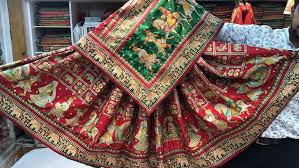
Gharchola saree is a traditional attire deeply rooted in the rich cultural tapestry of India, particularly in the vibrant state of Gujarat. Its history is steeped in tradition, reflecting the essence of Gujarati customs and heritage. The name "Gharchola" itself holds significance, where "Ghar" means home and "Chola" refers to clothing, symbolizing the saree's association with auspicious occasions and homecoming rituals. This exquisite garment is renowned for its unique weaving techniques, vibrant colors, and intricate designs that symbolize marital bliss and prosperity


The history of the Gharchola saree dates back centuries, with mentions found in ancient texts and scriptures. Traditionally, this saree was worn by women during auspicious occasions such as weddings, festivals, and rituals. The origins of Gharchola saree can be traced back to centuries ago when it was predominantly worn by Gujarati women during weddings, festivals, and other ceremonial occasions. The saree is characterized by its intricate weaving patterns, typically featuring bright colors like red, green, and yellow, adorned with intricate motifs such as paisleys, flowers, and traditional symbols like the parrot, elephant, and peacock.


The method of crafting Gharchola sarees is a labor-intensive process that involves skilled artisans employing traditional techniques passed down through generations. Typically made from silk or cotton, these sarees feature intricate patterns like checks, stripes, and floral motifs.  This attention to detail and craftsmanship gives Gharchola sarees their exquisite beauty and timeless appeal.


There are several types of Gharchola sarees, each distinguished by its unique design elements and regional variations. The Patola Gharchola, for instance, is known for its double ikat weaving technique and geometric patterns, while the Bandhani Gharchola is adorned with tie-and-dye designs created using a resist-dyeing method.


In conclusion, the Gharchola saree stands as a testament to Gujarat's rich textile heritage and artistic craftsmanship. Its timeless beauty and cultural significance continue to charm both locals and admirers worldwide. Whether worn by a bride on her wedding day or by a woman celebrating a festival, Gharchola saree embodies grace, elegance, and timeless beauty, making it a treasured heirloom passed down through generations.

Sunday, 9 June 2024

The Timeless Elegance of Gujarati Brocade Sarees


Gujarati brocade sarees, renowned for their opulence and intricate craftsmanship, stand as a testament to the rich textile heritage of Gujarat, India. The art of brocade weaving in Gujarat dates back centuries, with a rich tradition that continues to thrive in the present day. Let's delve into the captivating history, meticulous methods, and exquisite types of Gujarati brocade sarees.


History:

The history of Gujarati brocade sarees traces back to ancient times when Gujarat served as a prominent center for trade and textile production. The art of brocade weaving flourished under the patronage of royalty and aristocracy, with artisans mastering the techniques passed down through generations. Over the centuries, Gujarati brocade sarees evolved to reflect the fusion of indigenous traditions with influences from various cultures, resulting in a unique and vibrant aesthetic.

Methods:

Crafting Gujarati brocade sarees is a labor-intensive process that requires skilled artisans and meticulous attention to detail. This meticulous process results in stunning motifs and designs that catch the light and add a touch of opulence to the fabric. The weaving process is a delicate balance of precision and creativity, with artisans meticulously creating intricate patterns and motifs that adorn the sarees, adding to their allure and charm.

Types of Gujarati Brocade Sarees:

1. Patola Sarees: Patola sarees are among the most prized possessions in Gujarati brocade craftsmanship. These sarees are handwoven using a double ikat technique, where both the warp and weft threads are resist-dyed before weaving, resulting in exquisite geometric patterns and vibrant colors.

2. Bandhani Sarees: Bandhani, or tie-dye, is a traditional technique widely practiced in Gujarat to create intricate patterns by tying small portions of the fabric before dyeing. Bandhani sarees are characterized by their colorful and vibrant designs, with each dot meticulously tied and dyed by hand.

3. Garchola Sarees: Garchola sarees are known for their elaborate woven patterns and rich colors. These sarees feature intricate geometric designs, often inspired by nature, and are traditionally worn by brides and during auspicious ceremonies.

Conclusion:

 Gujarati brocade sarees are not just garments but pieces of art that showcase the skill and creativity of the weavers.  Gujarati brocade sarees epitomize the timeless elegance and cultural heritage of Gujarat. From the intricacies of their craftsmanship to the richness of their history, these sarees continue to captivate hearts with their timeless allure and exquisite beauty.

Thursday, 6 June 2024

Batik Sarees


Batik sarees stand as an embodiment of the rich cultural heritage of South Asia, particularly in countries like India, Bangladesh, and Sri Lanka. This unique textile art form has a fascinating history, intricate methods, and various types that have captured the admiration of people worldwide.


Originating from Indonesia, the history of batik dates back over a thousand years. The word "batik" itself is derived from the Javanese word "amba," meaning to write, and "titik," meaning dot. Traditionally, batik was practiced by applying wax to fabric using a tool called a "canting" to create intricate patterns. These patterns were then dyed, with the wax acting as a resist to preserve the desired design. Over time, this technique spread to other regions, each adding its own unique styles and motifs.

Creating batik sarees is a meticulous process that requires skill and precision. Artisans use a canting (a tool for applying wax) to draw intricate patterns on the fabric. The areas covered in wax resist the dye, resulting in vibrant designs with sharp contrasts. After dyeing, the wax is removed by boiling or scraping, revealing the final masterpiece of a batik saree.

Types: There are various types of batik sarees, each showcasing unique designs and patterns. Some popular types include:

1.      Traditional Batik Sarees: These sarees feature classic motifs and patterns that have been passed down through generations, reflecting the rich cultural heritage of India.

2.      Contemporary Batik Sarees: These sarees incorporate modern designs and colour palettes, appealing to a younger generation while still honouring traditional batik techniques.

3.      Block Printed Batik Sarees: This style combines block printing with batik techniques, creating geometric designs and patterns that are both traditional and trendy.

In conclusion, batik sarees are not just garments; they are exquisite pieces of art that encapsulate centuries of tradition and craftsmanship. From their ancient origins in Indonesia to their widespread popularity across South Asia and beyond, batik sarees continue to enchant and inspire people with their timeless beauty and cultural significance.

Tuesday, 4 June 2024

Konrad Sarees: A Timeless Tradition


Konrad sarees, also known as temple sarees, are a hallmark of South Indian culture and craftsmanship. Originating from the state of Tamil Nadu, these sarees have a rich history dating back centuries. They are named after the ruler of the region during the 17th century, King Raja Konrad. The saree, a quintessential Indian garment, transcends mere fabric to embody centuries of tradition, culture, and artistry. Among the myriad saree varieties, Konrad sarees stand out for their timeless elegance and rich heritage. Let’s delve into the fascinating world of Konrad sarees, exploring their history, weaving techniques, and regional significance.


History:

Konrad sarees have been woven for generations, initially favored by royalty and aristocrats. The weaving tradition was kept alive by skilled artisans who meticulously crafted these sarees by hand. Over time, Konrad sarees became an integral part of South Indian weddings and festivals, symbolizing tradition and elegance.

There are various types of Konrad sarees, including:

1. Traditional Konrad: These sarees feature classic motifs and designs, passed down through generations.

2. Contemporary Konrad: While still rooted in tradition, contemporary Konrad sarees may incorporate modern elements and colors to appeal to a wider audience.

3. Wedding Konrad: These sarees are often grand and opulent, featuring elaborate zari work and intricate detailing, making them perfect for bridal wear.

Methods:

The weaving process of Konrad sarees is labor-intensive and requires exceptional skill and precision. Traditionally, these sarees were handwoven on looms using pure silk threads and gold zari. However, with advancements in technology, some aspects of production have been mechanized while still retaining the essence of handcrafted quality.

Conclusion:

In conclusion, Konrad sarees are not just garments; they are living testaments to India’s cultural legacy. As we admire their intricate weaves and vibrant colors, we honor the artisans who have woven magic into every thread. Konrad sarees represent more than just a piece of clothing; they embody the rich cultural heritage and craftsmanship of South India. From their regal history to their intricate designs, Konrad sarees continue to enchant people around the world, making them a timeless symbol of tradition and elegance.