Monday, 12 August 2024

Lord Varuna: The Vedic Deity of Water and Cosmic Order


Lord Varuna is a prominent deity in the ancient Vedic tradition of Hinduism, revered as the god of water, cosmic order, and moral law. Lord Varuna is one of the most important Vedic deities and was considered as the keeper of the cosmic order in the pre-Vedic times. His significance extends across various texts and traditions, reflecting his multifaceted role in the cosmic and natural order.


In the Vedic scriptures, particularly the Rigveda, Varuna is depicted as a powerful and all-encompassing deity associated with the celestial waters, the sky, and the ocean. He is often shown as a majestic figure who governs the waters of the world, encompassing both the seas and rivers. This connection with water symbolizes his role in sustaining life and maintaining the balance of nature.


Varuna is also known as the upholder of Rta, the cosmic order or law that governs the universe. Rta represents the principle of harmony and truth, which Varuna oversees. He ensures that the natural and moral order is maintained, punishing transgressions and rewarding righteousness. This aspect of Varuna underscores his role as a guardian of ethical conduct and justice.


In Vedic iconography, Varuna is often depicted as a regal figure riding a mythical sea creature, the Makara, and holding a noose or rope, which symbolizes his power to bind or release. His appearance is associated with grandeur and authority, reflecting his role as a deity who maintains the cosmic balance and enforces moral laws.


Varuna’s significance extends beyond the Vedic texts into later Hindu traditions and texts. In the epics like the Mahabharata and the Ramayana, he is portrayed as a formidable deity who plays various roles, including as the father of the great sage Vasistha and the god of the oceans.


Devotion to Varuna is associated with respect for natural elements and adherence to moral principles. Rituals and prayers invoking Varuna often seek to ensure water's purity, ask for protection from calamities, and seek divine justice.


Overall, Lord Varuna represents a profound connection between the natural world and moral order, embodying the essential balance required for sustaining life and upholding cosmic harmony. His worship reflects a deep reverence for nature and the divine laws that govern the universe.

Sunday, 11 August 2024

Exploring the Mahakali Caves: Ancient Marvels of Mumbai


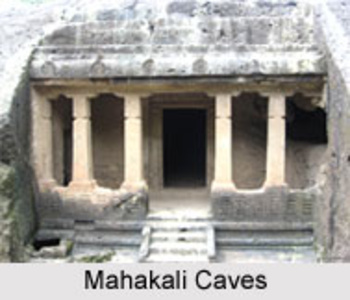
Nestled in the bustling city of Mumbai, the Mahakali Caves offer a serene escape into ancient history and spirituality. These rock-cut caves, located in the suburb of Andheri, are a testament to the rich cultural heritage of India, revealing the intricate artistry and religious devotion of bygone eras.

The Mahakali Caves , also known as the Mahakali Caves Complex, date back to the 1st century BCE to the 6th century CE. They are part of a larger group of rock-cut caves in Mumbai, including the famous Elephanta Caves and the Kanheri Caves. Unlike their more renowned counterparts, the Mahakali Caves are often less crowded, making them a peaceful retreat for those interested in ancient art and history.

The complex consists of 19 caves, predominantly carved from basalt rock. The majority of these caves are Viharas, or Buddhist monastic cells, which served as residences for monks and as places for meditation. The design and layout of these caves reflect the architectural and artistic sensibilities of the period, offering valuable insights into early Buddhist monastic life.

One of the most striking features of the Mahakali Caves is their intricate carvings. The caves are adorned with detailed sculptures and reliefs, showcasing the exceptional craftsmanship of the artisans who worked on them. Among the most notable is Cave 9, which houses a beautifully sculpted Buddha figure along with various Bodhisattvas and intricate motifs. These carvings are not just artistic expressions but also serve as educational tools, depicting scenes from the Jataka tales—stories of the Buddha's previous lives.

Cave 8, another significant site, features a prominent stupa, which is an important Buddhist monument symbolizing enlightenment and the Buddha's presence. The stupa, along with the adjoining cells, illustrates the blend of religious devotion and practical living spaces that characterized early Buddhist monastic establishments.

The caves' location, amidst the natural beauty of the forested hills of Andheri, adds to their charm. The lush greenery surrounding the caves provides a stark contrast to the ancient stone structures, creating a tranquil atmosphere that enhances the visitor experience. This setting not only offers a glimpse into the past but also serves as a reminder of the harmonious relationship between nature and spirituality that was central to ancient Indian culture.

In addition to their historical and artistic significance, the Mahakali Caves are also an important site for archaeological research. Studies of the caves have provided valuable information about the evolution of rock-cut architecture and Buddhist practices in India. The findings from these caves contribute to our understanding of the spread of Buddhism and its impact on the art and architecture of the region.

In conclusion, the Mahakali Caves stand as a remarkable example of ancient rock-cut architecture and Buddhist art. They offer a unique opportunity to connect with India's rich cultural and spiritual heritage while enjoying the natural beauty of Mumbai's surroundings. For history enthusiasts, art lovers, and spiritual seekers alike, the Mahakali Caves provide a profound and enriching experience, bridging the past with the present in an unforgettable way.


Friday, 9 August 2024

Exploring the Jogeshwari Caves: A Historical and Cultural Treasure

Exploring the Jogeshwari Caves: A Historical and Cultural Treasure


Tucked away in the bustling city of Mumbai, India, the Jogeshwari Caves stand as an enduring symbol of ancient rock-cut architecture and religious devotion. Situated in the suburban area of Jogeshwari, these caves are among the oldest and most significant cave temples in the Mumbai region.

The Jogeshwari Caves date back to the 6th century CE, a period when rock-cut architecture was flourishing in India. The caves are part of the Western Indian cave tradition, which includes a variety of Buddhist, Jain, and Hindu cave temples. The Jogeshwari Caves are particularly noted for their affiliation with Hinduism, although their origins and subsequent developments reflect a confluence of various religious and cultural influences.

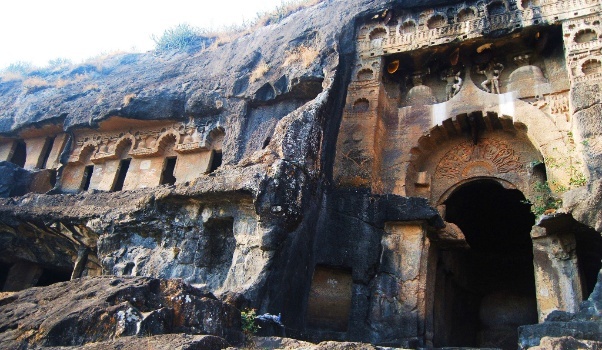
The Jogeshwari Caves are renowned for their intricate rock-cut architecture, which showcases the skill and artistry of ancient builders. The complex consists of a series of caves, with the main cave being the most prominent. This primary cave is a sizable structure featuring a central hall, which is adorned with numerous pillars and elaborate carvings.

One of the most striking features of the Jogeshwari Caves is the grand entrance, which is flanked by two colossal pillars. The cave's interior is decorated with various sculptures and carvings, including representations of deities and mythological scenes. The craftsmanship of these carvings reflects the high level of artistry and dedication that went into their creation.

The Jogeshwari Caves hold significant religious importance due to their association with Hindu worship. The central shrine within the main cave is a testament to the cave's role as a site of pilgrimage and spiritual reverence. The cave's historical association with the goddess Jogeshwari also highlights the longstanding connection between the local religious practices and the broader Hindu tradition.

In modern times, the Jogeshwari Caves have faced challenges related to preservation and urban development. Efforts have been made to protect and maintain the site, ensuring that its historical and cultural heritage is preserved for future generations.

The Jogeshwari Caves stand as a testament to India's rich architectural and cultural heritage. Their intricate carvings, historical significance, and continued religious importance make them a valuable site for understanding the region's ancient past. As one of Mumbai's hidden gems, the Jogeshwari Caves offer a unique opportunity to explore the historical depth and artistic achievements of ancient Indian civilization.

In conclusion, the Jogeshwari Caves are more than just ancient rock-cut temples; they are a bridge to India’s rich historical and religious past. Through their captivating architecture and enduring spiritual significance, they continue to inspire awe and reverence, reflecting the artistic and cultural legacy of a bygone era.

Top of Form

Bottom of Form


Goddess Bhairavi: The Fierce Embodiment of Power and Transformation


Goddess Bhairavi, a prominent deity in Hinduism, is a fierce and transformative goddess associated with the Shakti tradition. As a manifestation of the divine feminine energy, Bhairavi represents both the creative and destructive aspects of life, embodying power, transformation, and cosmic balance.


Bhairavi is one of the ten Mahavidyas, a group of ten wisdom goddesses in Hinduism, particularly revered in the Shakta tradition. She is often depicted with a terrifying visage, adorned with a garland of skulls and holding weapons, which symbolize her ability to annihilate evil and overcome obstacles. Despite her fierce appearance, Bhairavi’s essence is deeply rooted in compassion and the protection of the righteous.


In her iconography, Bhairavi is portrayed with a strikingly intense demeanor, often shown with multiple arms wielding various implements, including a trident, sword, and severed head. Her fearsome countenance signifies her role as a powerful force capable of both creation and destruction. This dual nature reflects her ability to transform and transcend worldly limitations, guiding her devotees towards spiritual awakening and liberation.


Worship of Goddess Bhairavi is significant in tantric practices, where she is revered for her transformative power and the ability to grant profound spiritual insights. Devotees seek her blessings for strength, courage, and the ability to overcome personal and spiritual obstacles. Her worship often involves esoteric rituals and meditation practices aimed at harnessing her potent energy for personal and spiritual growth.


Goddess Bhairavi's influence extends to various aspects of life, emphasizing the importance of embracing change and facing challenges with resilience. She is celebrated for her role in the cosmic cycle of creation and dissolution, reinforcing the idea that destruction is an essential part of transformation and renewal.


In summary, Goddess Bhairavi stands as a formidable and revered figure in Hinduism, symbolizing the dynamic forces of power and transformation. Her worship highlights the importance of embracing change and harnessing divine energy for personal and spiritual development.


Thursday, 8 August 2024

Exploring the Armamalai Caves: A Portal to Ancient Indian Rock-Cut Architecture


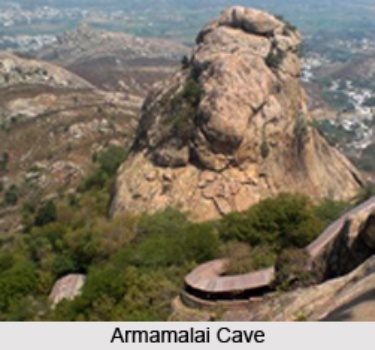
Tucked away in the serene and picturesque landscape of the Western Ghats in Tamil Nadu, the Armamalai Caves are a remarkable example of India’s rich heritage in rock-cut architecture. These ancient caves, located near the village of Armamalai in the Coimbatore district, offer a fascinating glimpse into the spiritual and architectural accomplishments of early Indian civilizations.

The Armamalai Caves , also known as the Armamalai Rock-Cut Caves, are believed to date back to the 6th century CE, during the period of the early Chalukyan dynasty. This era was marked by significant developments in art, architecture, and religious practices, reflecting a vibrant cultural milieu. The caves are primarily Jain, reflecting the influence of Jainism, which was a major religious force in South India during this period.

The region around Armamalai was an important center for Jainism, and the caves were likely carved out by Jain monks seeking solitude for meditation and religious study. The decision to carve these temples into the rock faces was driven by the need for a secluded and serene environment conducive to spiritual practice.

The Armamalai Caves are notable for their intricate rock-cut architecture, which exemplifies the craftsmanship and artistic sensibilities of the time. The caves are a blend of religious and residential spaces, featuring both monastic cells and prayer halls.

One of the most striking features of the Armamalai Caves is their detailed and elaborate carvings. The main cave, known as Cave 1, houses a large central shrine with a sculpted image of a Jain Tirthankara, surrounded by finely carved columns and intricate decorative elements. The attention to detail in these carvings reflects the high level of artistry achieved by the artisans of that era.

The Armamalai Caves are primarily associated with Jainism, one of the oldest religions in India. Jainism, which emphasizes non-violence, asceticism, and the quest for spiritual enlightenment, found a fitting expression in the austere and serene environment of the caves. The presence of Jain Tirthankara statues and symbols within the caves highlights their role as important centers of Jain worship and meditation.

While Jainism is the predominant religious affiliation of the Armamalai Caves, there are also indications of influences from other contemporary religious traditions, including Buddhism. This syncretic aspect of the caves underscores the dynamic nature of religious and cultural exchanges in ancient India.

Despite their historical significance, the Armamalai Caves have faced challenges related to natural erosion and human neglect. However, efforts are underway to preserve these ancient treasures. The Archaeological Survey of India (ASI) and local conservation organizations are working to maintain and protect the caves from further deterioration.

The Armamalai Caves offer a unique window into the ancient world of Indian rock-cut architecture and religious life. They stand as a testament to the artistic and spiritual achievements of their creators, reflecting a rich cultural heritage that continues to inspire awe and curiosity. For those interested in exploring the depths of India’s historical and spiritual past, the Armamalai Caves present an invaluable opportunity to connect with the ancient traditions and architectural marvels of a bygone era.


Exploring the Forms of Goddess Kali


History

Goddess Kali is a central figure in Hinduism, revered for her dynamic and transformative powers. Her origins can be traced back to ancient texts such as the Devi Mahatmya, where she is depicted as a fierce and protective deity. Kali is often seen as a manifestation of Shakti, the divine feminine energy. Historically, Kali’s worship has evolved from early Vedic and Tantric traditions, where she was initially associated with time and death, to her prominent role in various Hindu practices today. Her fierce forms reflect the transformative aspects of destruction and renewal.

Methodology

The worship of Goddess Kali involves a variety of rituals and practices aimed at harnessing her potent energy for spiritual and material benefits. Key methods include:

1. Mantras and Chants: Devotees recite specific mantras, such as “Om Kali Ma,” to invoke Kali’s blessings. These chants are believed to purify the mind and spirit, and align the practitioner with her divine power.

2. Puja (Ritual Worship): Kali puja involves elaborate rituals performed at temples or home altars. Offerings of red flowers, sweets, and symbolic items are made to her images or idols. Rituals often include the lighting of lamps and the recitation of sacred texts.

3. Festivals: The celebration of Kali Ma, particularly during Kali Puja and the festival of Durga Puja, includes night-long vigils, dances, and sacrifices. These festivals highlight Kali’s role in protecting her devotees and removing obstacles.

Types

Kali manifests in several significant forms, each embodying different aspects of her divine nature:

1. Mahakali: The supreme form of Kali, Mahakali represents the cosmic force of time and death. She is depicted with a dark complexion and a fearsome appearance, symbolizing the ultimate reality beyond illusion.

2. Chandika: A more wrathful form, Chandika is known for her fierce demeanor and is associated with vanquishing demons and evil forces. Her worship emphasizes empowerment and protection.

3. Kalimai: Often depicted as a motherly figure, Kalimai emphasizes compassion and nurturing. This form reflects Kali’s role as a protective mother who nurtures her children while also embodying the aspects of destruction necessary for rebirth.

4. Bhadrakali: Known for her benign and auspicious nature, Bhadrakali is worshipped for her protective and benevolent qualities. She is often depicted in a more serene form, reflecting her dual role as both fierce and loving.


Goddess Kali’s diverse forms highlight her multifaceted nature, encompassing both fearsome and nurturing aspects, and illustrating the depth of her influence in Hindu spirituality and rituals.


Wednesday, 7 August 2024

The Mystique of the Manmod Caves: A Historical Overview


Nestled in the heart of India, the Manmod Caves stand as a testament to the region's rich historical tapestry and spiritual heritage. The caves are located near the quaint town of Manmod, in the state of Maharashtra, and are an intriguing destination for both history enthusiasts and pilgrims alike. With fascinating geological features and an aura of mystique surrounding them, these caves offer an unparalleled glimpse into ancient Indian culture.

The Manmod Caves date back to the first century BCE, making them a significant archaeological site for understanding the evolution of rock-cut architecture in ancient India. The origins of these caves can be traced back to the early Buddhist period when monastic communities sought refuge in the serene embrace of nature. These caves, carved into solid basalt rock, served as viharas (monasteries) and chaityas (prayer halls), reflecting a confluence of spiritual devotion and architectural innovation.

The architecture of the Manmod Caves is reminiscent of the more famous Ajanta and Ellora Caves, yet they possess a unique charm of their own. The caves are primarily adorned with intricate carvings, stupas, and panel reliefs that depict various Buddhist motifs. While the art and architecture show a clear Buddhist influence, there are also traces of other religions, including Hinduism, as evidenced by certain figures and symbols found within the caves. This amalgamation of styles signifies the syncretic nature of Indian spirituality during this period.

One of the most notable features of the Manmod Caves is the presence of a large chaitya hall, which is characterized by its high ceilings and intricately carved pillars. It is here that devotees would gather for communal worship and meditation. The rhythmic play of light within the cave creates an otherworldly ambiance, enhancing the spiritual experience for those who visit. The walls of the caves are embellished with murals that depict scenes from the Jataka tales—stories that narrate the previous lives of the Buddha—adding depth to the rich spiritual narrative.

The caves were rediscovered in the late 19th century by explorers and archaeologists who recognized their historical significance. Since then, they have become a focal point for studies in archaeology, anthropology, and religious history. The Manmod Caves are part of a larger network of rock-cut caves across Maharashtra, which collectively depict the region's monastic traditions and heritage.

Despite their historical significance, the Manmod Caves have often been overshadowed by more famous sites like Ajanta and Ellora. However, in recent years, there has been a growing interest in these lesser-known caves, largely driven by their untouched beauty and historical richness. Efforts are underway to conserve the site and promote it as a viable tourist destination, which would not only provide an economic boost to the local community but also educate visitors about India's diverse cultural landscape.

Today, the Manmod Caves stand not only as historical monuments but as serene sanctuaries that invite reflection and reverence. As one explores the quiet corridors and marvels at the ancient artistry, it becomes clear that these caves are much more than mere stone structures; they are a living narrative of faith, creativity, and the indomitable human spirit throughout history. Embracing both the sacred and the sublime, the Manmod Caves undoubtedly occupy a cherished place in the cultural heritage of India


Tuesday, 6 August 2024

Lord Vishwakarma: The Divine Architect


Lord Vishwakarma, a revered deity in Hinduism, is celebrated as the divine architect and master craftsman of the universe. His name, derived from "Vishva" (universe) and "Karma" (action), signifies his role as the cosmic engineer who designed and constructed the entire cosmos.


According to ancient scriptures and texts, Vishwakarma is credited with the creation of numerous divine and mythological structures. He is the architect behind the celestial city of Lanka, the grand palace of the gods, and the impregnable fortress of the Pandavas in the Mahabharata. His expertise extends beyond mere construction; he is also known for crafting various divine weapons and artifacts used by gods and heroes alike, such as the thunderbolt of Indra and the Sudarshan Chakra of Lord Vishnu.


Vishwakarma's skills are often depicted through his association with sacred texts and traditional crafts. The "Vishwakarma Purana," an ancient Hindu scripture, details his architectural prowess and contributions to the divine realm. This text highlights his role in creating awe-inspiring temples, palaces, and even the sacred artifacts crucial to Hindu mythology.


In worship practices, Vishwakarma is honored on Vishwakarma Jayanti, a festival observed by artisans, builders, and craftsmen. Celebrated on the 17th day of the Hindu lunar month of Bhadrapada, this day is dedicated to seeking his blessings for skill, creativity, and success in one's trade. The festival includes rituals and prayers aimed at ensuring prosperity and protection in the fields of construction and craftsmanship.


Lord Vishwakarma’s significance transcends mythology, symbolizing the divine integration of skill, creativity, and dedication in the realms of art and architecture. His legacy continues to inspire reverence for the sacred art of creation and the divine craftsmanship that shapes our world.


Monday, 5 August 2024

Kuda Caves: Insights into Early Buddhist Rock-Cut Architecture


The Kuda Caves, located in the Raigad district of Maharashtra, India, are an intriguing site of ancient rock-cut architecture. These caves, dating back to the 2nd century BCE, are part of a larger group of Buddhist caves scattered across the Indian subcontinent. Situated about 15 kilometers from the town of Karjat, the Kuda Caves are accessible via a scenic drive and a short trek.


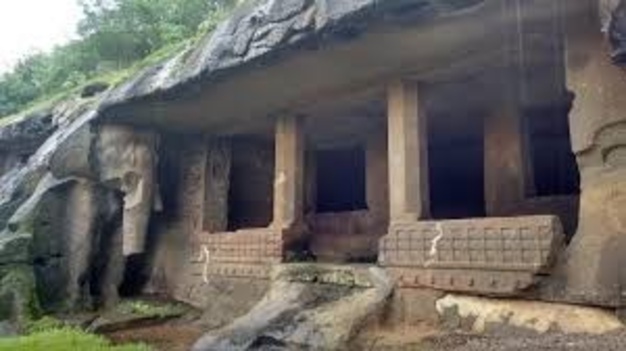
The Kuda Caves consist of a cluster of around 15 caves, carved into a hillock. These caves are primarily viharas (monastic dwellings) and chaityas (prayer halls), showcasing the distinctive features of early Buddhist rock-cut architecture. The caves are hewn from the local basalt rock and are notable for their simplicity and functional design, reflecting the austere lifestyle of early Buddhist monks.


One of the key features of the Kuda Caves is their elaborate carvings and inscriptions. While less ornate than some of their contemporaries, they still offer valuable insights into the religious and cultural practices of the period. The caves' interiors are marked by plain but practical layouts, including meditation cells, living quarters, and an assembly hall. The chaitya halls, with their semi-circular interiors and large central stupa bases, exemplify early Buddhist architectural styles.


The Kuda Caves are less visited compared to other famous cave complexes like Ajanta and Ellora, which contributes to their serene and untouched atmosphere. This makes them an appealing destination for those interested in exploring lesser-known historical sites. Their remote location and relatively undisturbed state provide a unique opportunity to experience the spiritual and historical essence of ancient India.


Overall, the Kuda Caves offer a glimpse into early Buddhist monastic life and architecture, making them a significant yet tranquil destination for history enthusiasts and travelers.


Temples and Monasteries of Kinnaur District: A Cultural and Spiritual Tapestry


Kinnaur District, nestled in the northeastern part of Himachal Pradesh, India, is renowned for its rich cultural heritage and spiritual legacy, reflected in its numerous temples and monasteries.  Temples and Monasteries of Kinnaur District are highly attractive owing to their beautiful architecture and unique rituals. This region, characterized by its rugged terrain and picturesque landscapes, offers a unique glimpse into the spiritual and architectural traditions of the Himalayas.


Temples of Kinnaur:


Kinnaur is home to several ancient temples that are vital to the local culture and religious practices. One of the most notable is the Kailash Temple in the village of Kothi, which is dedicated to Lord Shiva and is renowned for its intricate wooden carvings and traditional architectural style. Another significant temple is the Ribba Temple, known for its historical and architectural importance, featuring elaborate woodwork and ancient artifacts. The Sangla Valley hosts the Buddhist Temple in Chitkul, which, while not as ancient as other temples, reflects the region's diverse religious landscape.


Monasteries of Kinnaur:


The monasteries in Kinnaur District are integral to the region's spiritual and cultural life. Kye Monastery, located in the Kinnaur Valley, is one of the oldest and most revered monasteries in the region. This Gelugpa Buddhist monastery is known for its stunning murals and ancient manuscripts, attracting scholars and spiritual seekers alike. Another prominent monastery is the Nako Monastery in the village of Nako, which dates back to the 11th century and features a collection of thangkas (traditional Tibetan paintings) and scriptures.


Tibetan Influence:


The influence of Tibetan Buddhism is evident in both the architecture and practices of Kinnaur's monasteries. The region's monasteries often serve as centers for meditation and learning, preserving the Tibetan Buddhist traditions through ritual practices and festivals.


In summary, the temples and monasteries of Kinnaur District are not only architectural marvels but also vital centers of cultural and spiritual life. They offer a deep insight into the religious practices and artistic achievements of the Himalayan region, continuing to be a source of inspiration and devotion for both locals and visitors.


Exploring the Mystique of Karsamble Caves: A Glimpse into Ancient History

Nestled in the rugged terrain of Maharashtra, India, the Karsamble Caves stand as a testament to the region's rich historical and cultural legacy. These ancient caves, often overshadowed by more renowned sites like the Elephanta and Ajanta Caves, offer a unique glimpse into India's historical tapestry and the evolution of its cave architecture.

The Karsamble Caves are believed to have been carved between the 2nd century BCE and the 6th century CE. This period in Indian history was marked by the flourishing of various religious and philosophical traditions, and the Karsamble Caves reflect the diverse influences of Buddhism, Hinduism, and Jainism that permeated the era.

The exact origins of the Karsamble Caves remain somewhat enigmatic. However, their construction is attributed to the patronage of local dynasties and wealthy merchants who sought to create places of worship and meditation. Unlike some of the more opulent cave complexes, the Karsamble Caves are relatively understated, which suggests that they may have been developed as private or semi-private retreats rather than grand public monuments.

The Karsamble Caves are predominantly rock-cut, showcasing the craftsmanship of ancient artisans who chiseled the caves into the rugged basalt rock. There are around 25 caves in the complex, with a mix of residential, monastic, and devotional spaces. The architectural style of these caves is characterized by simplicity and functionality, which is a departure from the more elaborate and ornately decorated caves found in other regions of India.

The main highlights of the Karsamble Caves include the chaitya halls and viharas. The chaitya halls are prayer halls with a semi-circular apse, designed for congregational worship. They typically feature a stupa at the end, which served as a focal point for meditation and rituals. The viharas, on the other hand, are monastic cells that provided living quarters for monks and pilgrims.

Despite their relatively austere design, the Karsamble Caves offer valuable insights into the artistic and cultural milieu of ancient India. The carvings and sculptures within the caves are not as elaborate as those found in more famous cave complexes, but they still provide a window into the artistic traditions of the time.

Moreover, the Karsamble Caves highlight the significance of rock-cut architecture in Indian history. This architectural technique, which involves carving structures directly into rock formations, allowed for the creation of durable and often monumental spaces without the need for extensive building materials. The skill and precision required to execute such projects speak to the advanced knowledge and craftsmanship of the artisans involved.

In summary, the Karsamble Caves, with their humble yet profound presence, stand as a silent witness to the ancient craftsmanship and religious fervor that characterized the region. Their exploration provides a valuable perspective on India's enduring legacy of rock-cut architecture and the multifaceted nature of its historical evolution.


Friday, 2 August 2024

Monasteries of Tawang District : Architectural Marvels and Buddhist Traditions


The Monasteries of Tawang District, located in the northeastern Indian state of Arunachal Pradesh, are some of the most revered and picturesque spiritual sites in the region. Tawang, known for its stunning natural beauty and high-altitude landscape, is home to several ancient monasteries that hold immense cultural and religious significance.


The most prominent of these is the Tawang Monastery, also known as the Galden Namgyal Lhatse. Established in the 17th century by the fifth Dalai Lama, this monastery is the largest in India and one of the largest in the world. It is a major center of the Gelug school of Tibetan Buddhism and houses a rich collection of ancient manuscripts, thangkas (religious paintings), and historical artifacts. The monastery's majestic architecture, with its golden roof and vibrant prayer flags, offers panoramic views of the surrounding mountains, making it a key pilgrimage site and tourist attraction.


Another notable monastery is the Bomdila Monastery, located in the nearby town of Bomdila. Established in the 1960s, it serves as a significant religious center for the monks of the Gelugpa tradition. The monastery is known for its serene environment, beautiful wall paintings, and statues of Buddhist deities. It also provides a vantage point for stunning views of the Himalayas and the surrounding valley.


The monasteries of Tawang District are not only places of worship but also serve as centers of cultural preservation. They host various festivals and rituals that are integral to Tibetan Buddhist practices, such as the Losar (Tibetan New Year) and the Saga Dawa (celebration of Buddha’s birth, enlightenment, and death). These celebrations draw visitors from across the world and offer a glimpse into the vibrant cultural tapestry of the region.


Visiting the Monasteries of Tawang District provides a profound experience of spiritual serenity and cultural richness, set against the backdrop of one of India’s most breathtaking landscapes.


Monasteries in Arunachal Pradesh: Sanctuaries of Peace and Culture


Arunachal Pradesh, the northeastern frontier of India, is home to a rich tapestry of monasteries that reflect the region’s spiritual depth and cultural diversity. There several Buddhist Monasteries in Arunachal Pradesh including some Ani Gompas or nunneries. These monasteries are not just places of worship; they are bastions of ancient traditions, art, and history.


Key Monasteries in Arunachal Pradesh


1. Tawang Monastery: Dominating the spiritual landscape of Arunachal Pradesh is the Tawang Monastery, located in the Tawang district at an altitude of about 3,048 meters. Founded in the 17th century by the Fifth Dalai Lama, this monastery is one of the largest in India and a major center of Tibetan Buddhism. The monastery's striking architecture, with its golden roofs and vibrant prayer flags, houses a significant collection of scriptures, thangkas (Tibetan Buddhist paintings), and a massive statue of the Buddha. Tawang Monastery also plays a pivotal role in preserving the traditions of the Gelugpa sect of Tibetan Buddhism.


2. Bomdila Monastery: Situated in the town of Bomdila, this monastery is a prominent center for the Gelugpa sect. It was established in the early 20th century and is known for its peaceful setting amidst pine forests. The monastery features beautiful murals and sculptures that depict various aspects of Buddhist teachings. Bomdila Monastery serves as a spiritual retreat and an educational hub for young monks.


3. Mongar Monastery: Located in the East Kameng district, Mongar Monastery is a significant site for the Nyingma sect of Tibetan Buddhism. Established in the 1950s, it is renowned for its traditional architectural style and serene environment. The monastery’s complex includes a main temple and various meditation rooms, providing a tranquil space for reflection and spiritual practice.


4. Dirang Monastery: Nestled in the Dirang Valley, this monastery is another important center of Buddhist activity in Arunachal Pradesh. It features traditional Tibetan Buddhist architecture and offers a serene environment for meditation. The monastery is known for its cultural festivals and vibrant celebrations, which draw visitors and pilgrims from far and wide.


Cultural and Spiritual Significance


The Monasteries of Arunachal Pradesh are vital cultural and spiritual hubs, embodying the rich traditions of Tibetan Buddhism. They offer a glimpse into the region’s artistic heritage through intricate murals, sacred texts, and architectural marvels. Additionally, these monasteries provide serene environments for meditation and reflection, making them ideal destinations for those seeking spiritual solace and cultural immersion in the heart of the Himalayas.

Thursday, 1 August 2024

Monasteries of Spiti Valley: A Spiritual and Cultural Oasis


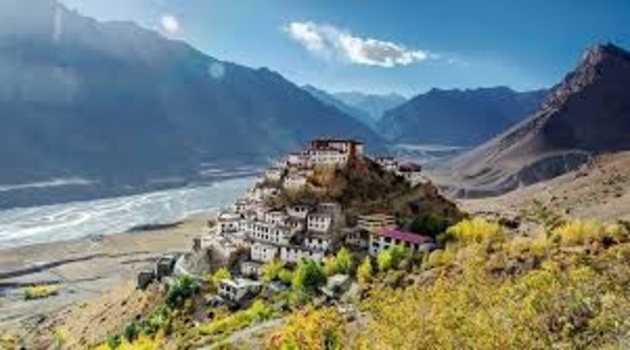
Nestled in the high-altitude desert region of Himachal Pradesh, Spiti Valley is renowned for its striking landscapes and rich monastic heritage. This remote valley, often described as “Little Tibet,” is home to some of Northern India’s most historically significant and culturally vibrant monasteries.


Historical Significance


The monasteries of Spiti Valley have deep historical roots, tracing back over a millennium. The region's Buddhist heritage began to flourish in the 10th century CE with the arrival of Tibetan Buddhism. Monasteries such as Key Monastery, founded around 1000 CE, stand as testimonies to this ancient tradition. These monasteries played a crucial role in preserving Buddhist teachings and culture, serving as centers for meditation, scholarship, and artistic expression.


Cultural and Spiritual Practices


Spiti's monasteries are integral to the valley’s cultural and spiritual life. The daily routines within these monastic communities are governed by the Vinaya, the Buddhist monastic code, which emphasizes meditation, study, and communal living. Rituals and festivals, such as the famous Cham Dance, offer vibrant glimpses into Tibetan Buddhist practices and provide a deep connection to the spiritual and communal life of the region.


The monasteries are also renowned for their unique architectural styles, featuring traditional Tibetan designs with flat roofs, whitewashed walls, and intricate murals. These structures are not only places of worship but also centers of learning, where monks engage in the study of Buddhist scriptures, philosophy, and arts.


Key Monasteries


Among the prominent monasteries in Spiti Valley are Key Monastery, perched on a hilltop overlooking the valley, and Tabo Monastery, established in 996 CE. Tabo is particularly noted for its ancient murals and is often referred to as the "Ajanta of the Himalayas" due to its rich artistic heritage.


In summary, the monasteries of Spiti Valley are not just religious centers but also cultural treasures that offer profound insights into the region’s spiritual life and historical evolution. Their continued preservation and practice are vital to understanding the rich tapestry of Tibetan Buddhism in Northern India.